The Notepad Standard: Features, Use Cases, and Design Choices
What Are the Key Features of a Note Pad?
The paper type and weight
The paper weight is the primary determinant of the notepad's writing quality. Heavier paper (90+ GSM) resists ink bleed-through and provides a more stable writing surface. Lighter paper (60–80 GSM) is more economical but may allow ink to show through. The paper surface also matters—smooth paper is better for fountain pens and fine-tip pens, while textured paper is suitable for pencils and ballpoints.
The binding method
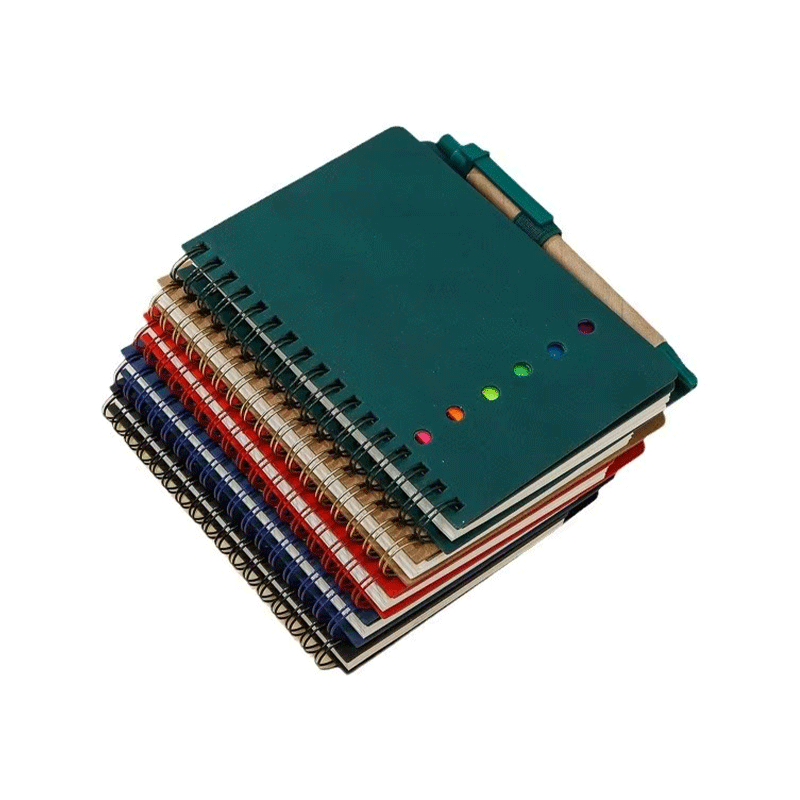
The binding affects the notepad's usability and durability. Top-bound notepads are the most common, with pages attached at the top and tearing away cleanly. Side-bound notepads are also available. The binding must be secure enough to hold the pages while allowing for easy removal.
The cover and back support
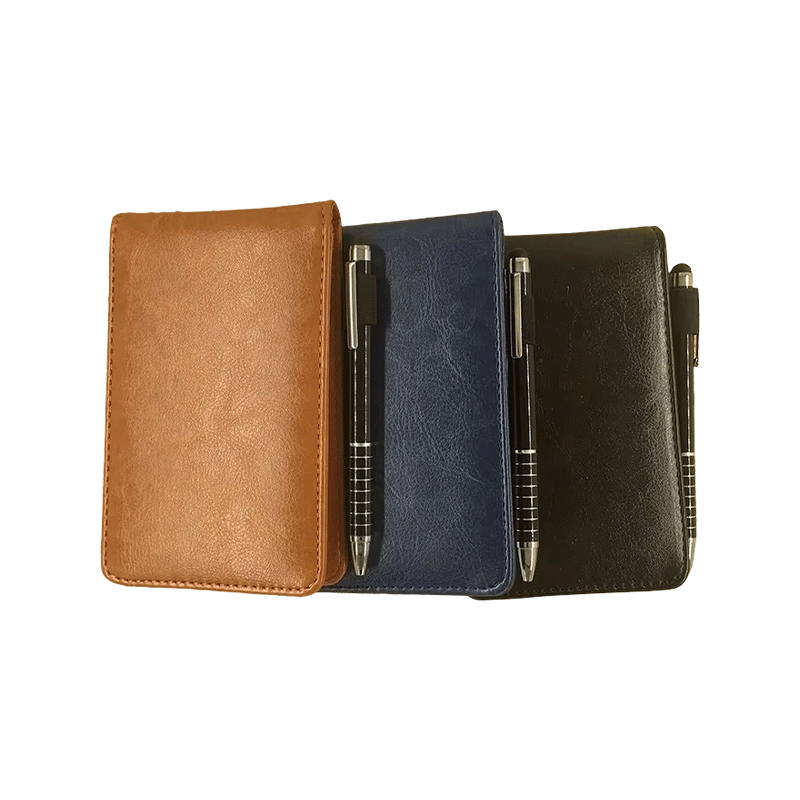
The cover provides protection and support. A rigid cardboard back provides a stable writing surface. The cover may be plain or printed with the brand or design.
The key features of a notepad
- Paper weight: 60–100+ GSM, heavier paper resists bleed-through, lighter paper is more economical
- Binding: top-bound or side-bound, secure binding that allows for easy page removal
- Cover: rigid back for stable writing, protection for the pages
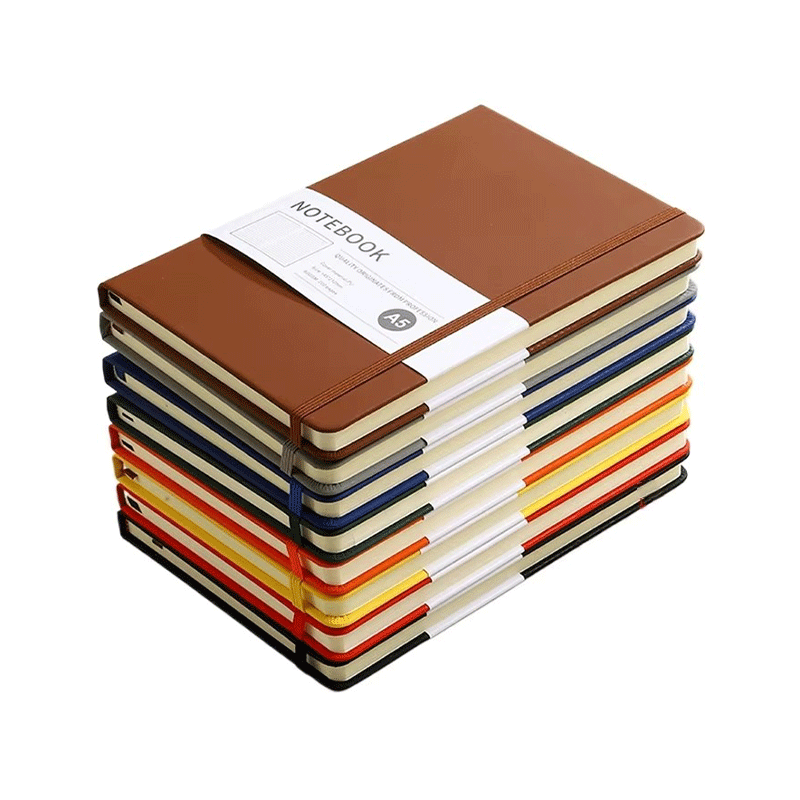
- Size: standard sizes include A4, A5, and letter, with other sizes available for specific applications
The use cases for magnetic note pads
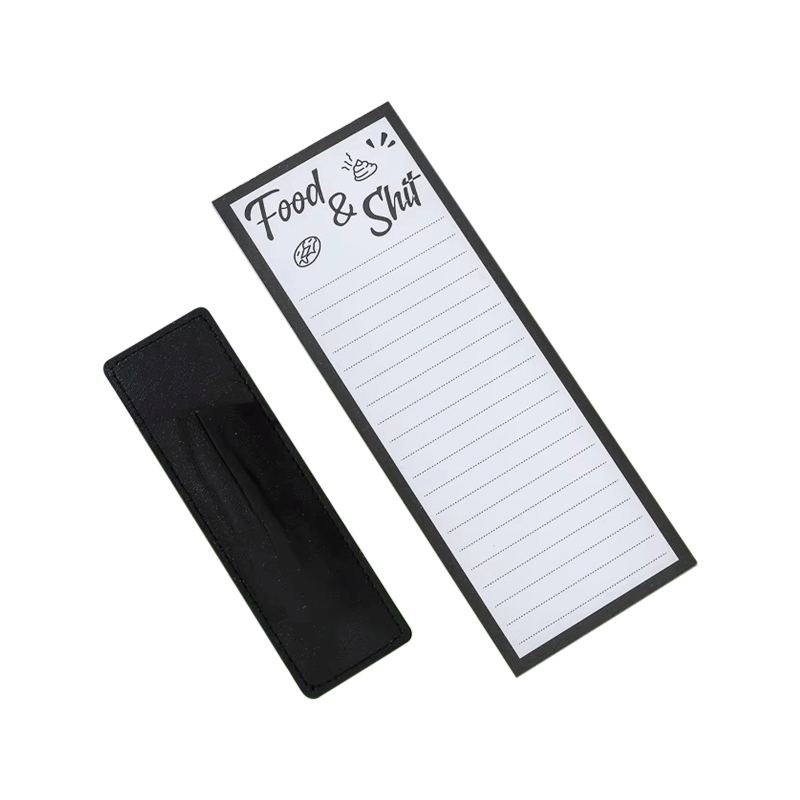
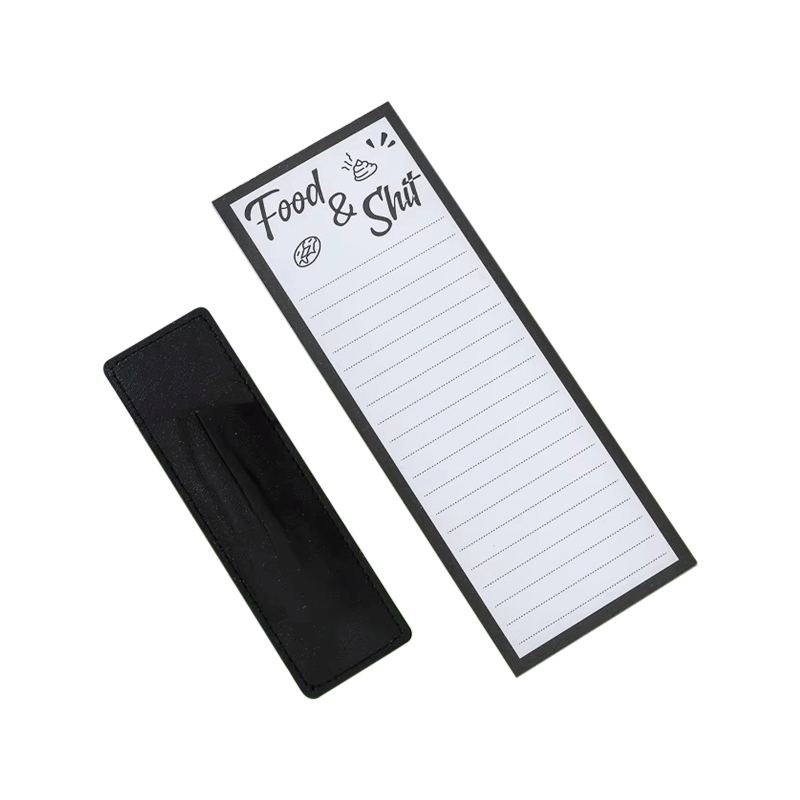
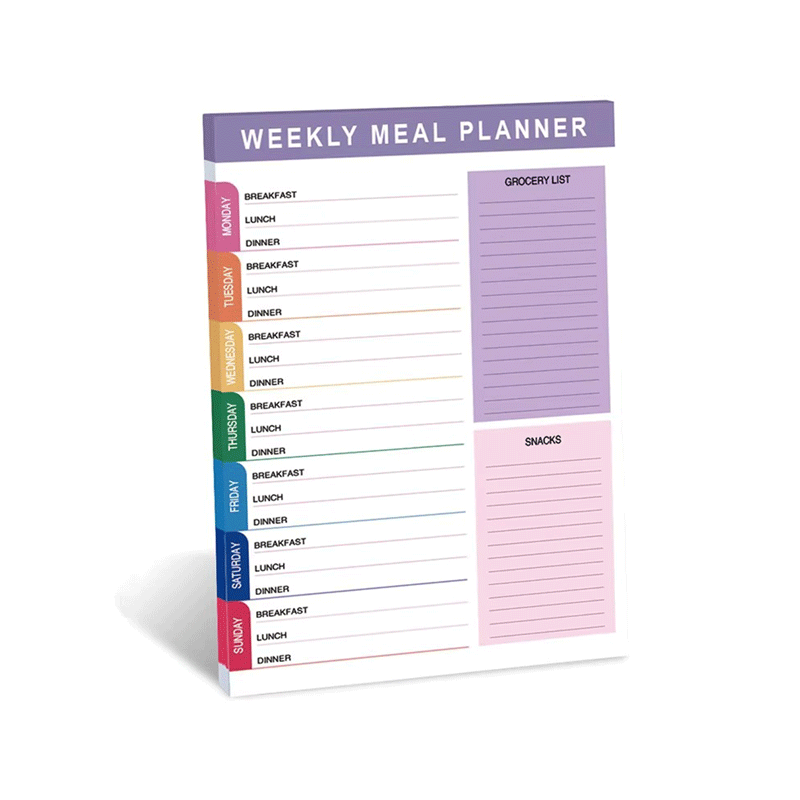
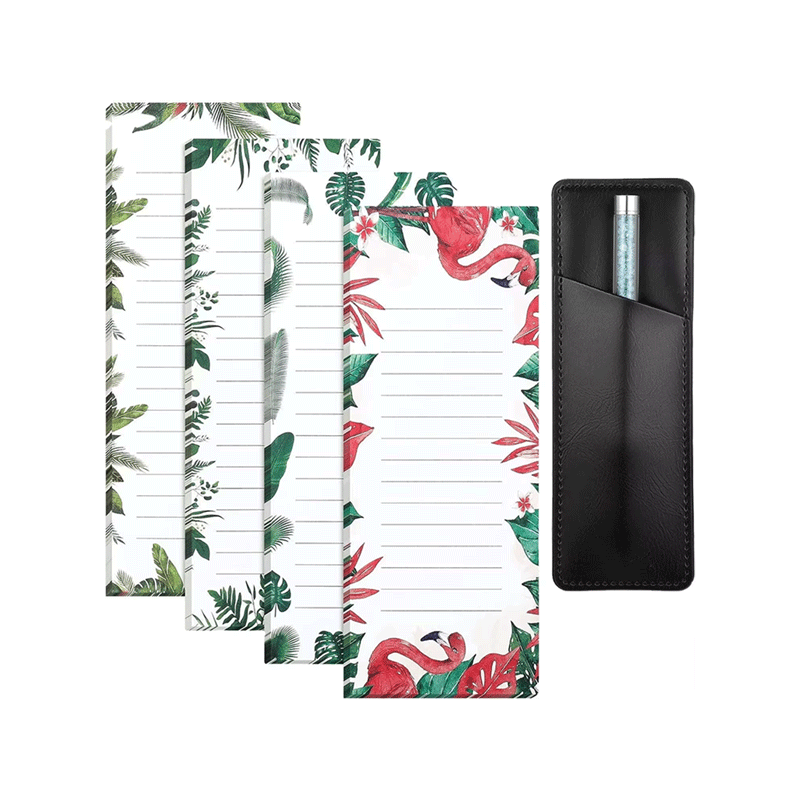
Magnetic note pads are a specialized type of note pad with a magnetic strip or backing that allows them to be attached to metal surfaces. The common use cases for magnetic note pads are in environments where notes need to be visible and accessible.
The kitchen and home use
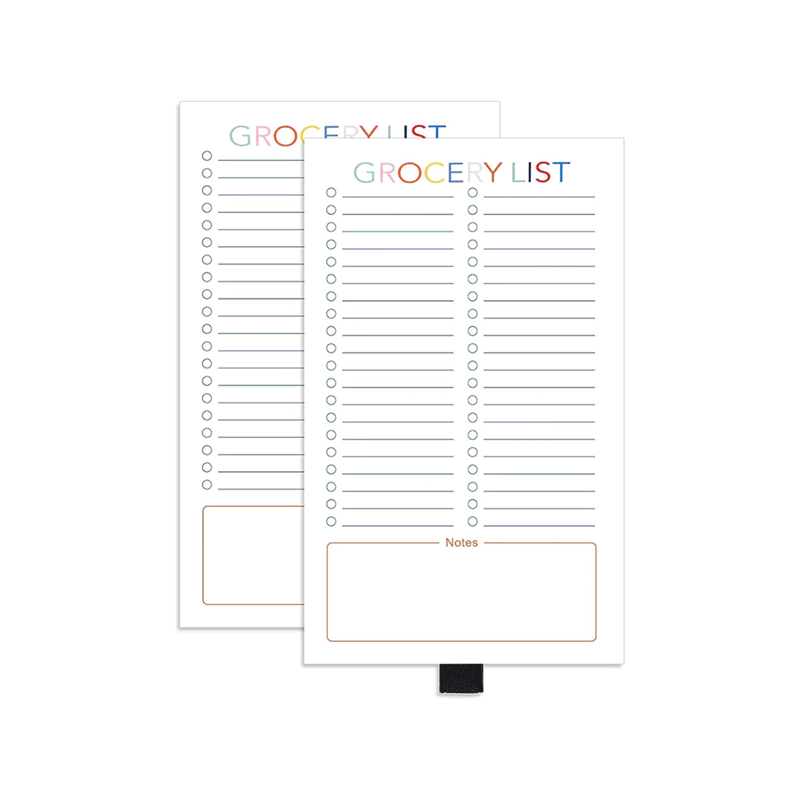
Magnetic note pads are commonly used on refrigerators. The magnet allows the pad to be attached to the door, where it is easily visible and accessible. This makes it ideal for grocery lists, reminders, and messages.
The office and workplace use
In the workplace, magnetic note pads are used on filing cabinets and whiteboards. The pad can be attached to a metal surface and used for notes that need to be easily visible, such as meeting reminders, task lists, and phone messages.
The industrial and workshop use
Magnetic note pads are also used in workshops and garages. The magnet allows the pad to be attached to a metal surface, where it is easily visible and accessible. This is useful for maintenance notes, inventory lists, and project planning.
The Difference of magnetic and standard note pads
- Magnetic note pads: can be attached to metal surfaces, visible and accessible, suitable for kitchens, offices, and workshops
- Standard note pads: cannot be attached to metal surfaces, less visible, suitable for desktop use
- Magnetic note pads: more versatile, more visible, slightly more expensive
What Advantages Do Colored Legal Pads Offer Over Traditional Yellow Legal Pads?
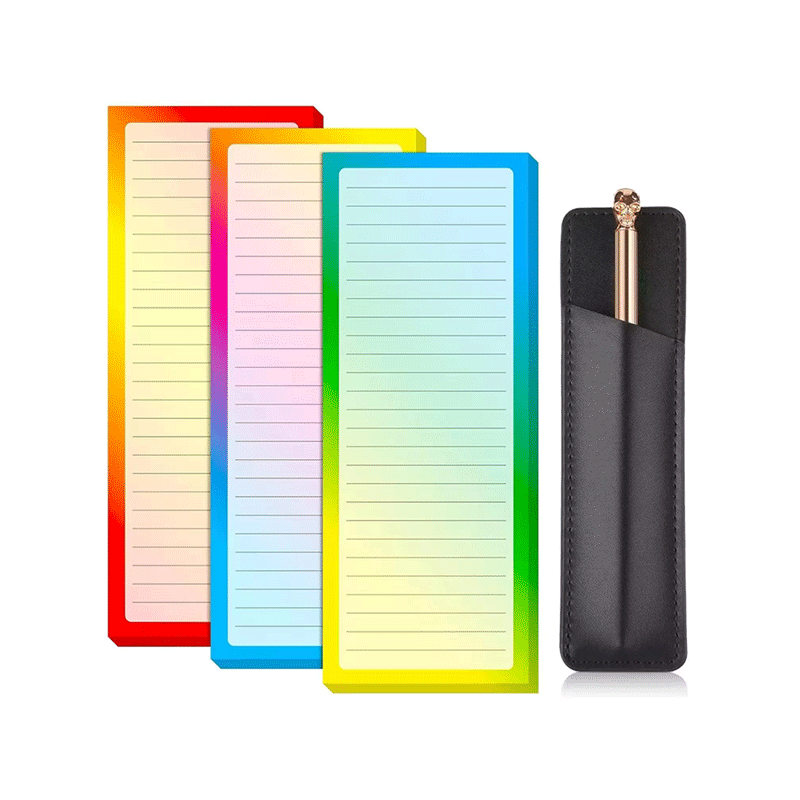
The advantages of colored legal pads
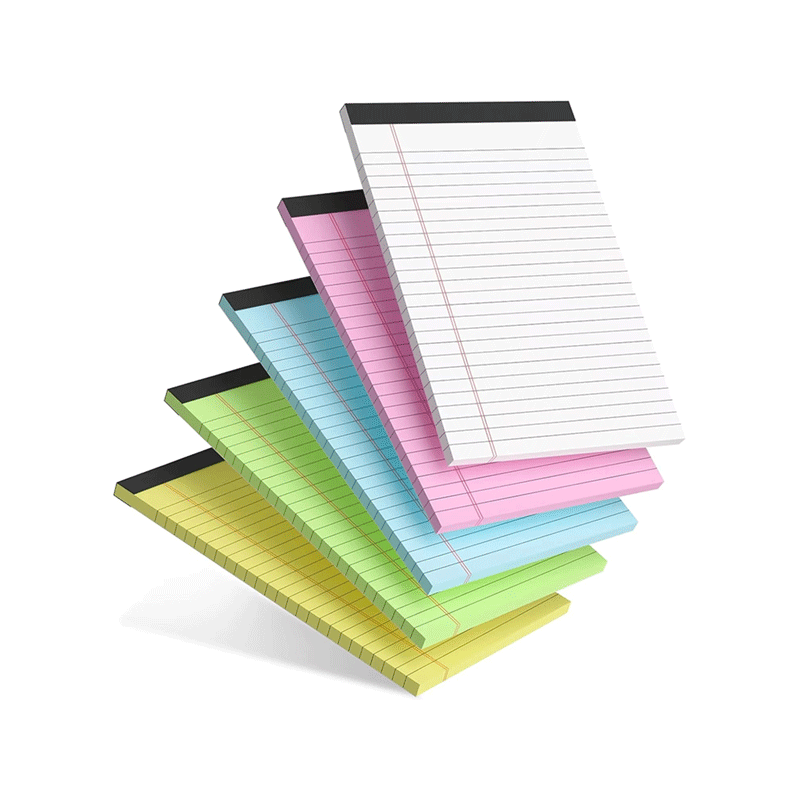
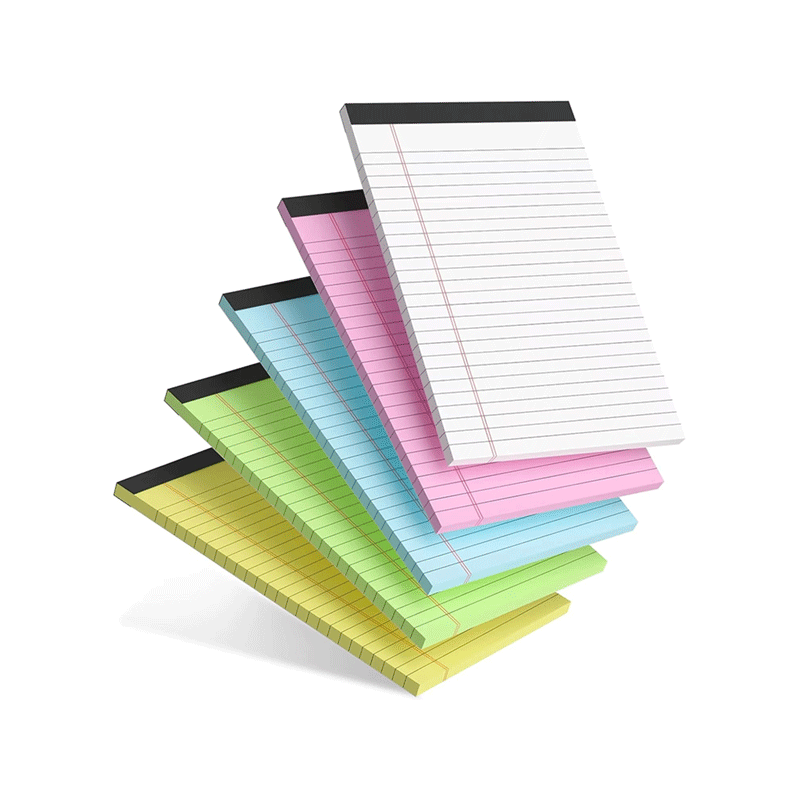
Colored legal pads are a variation of the traditional yellow legal pad. The advantages colored legal pads offer over traditional yellow legal pads include visual differentiation, personalization, and improved readability.
The visual differentiation advantage
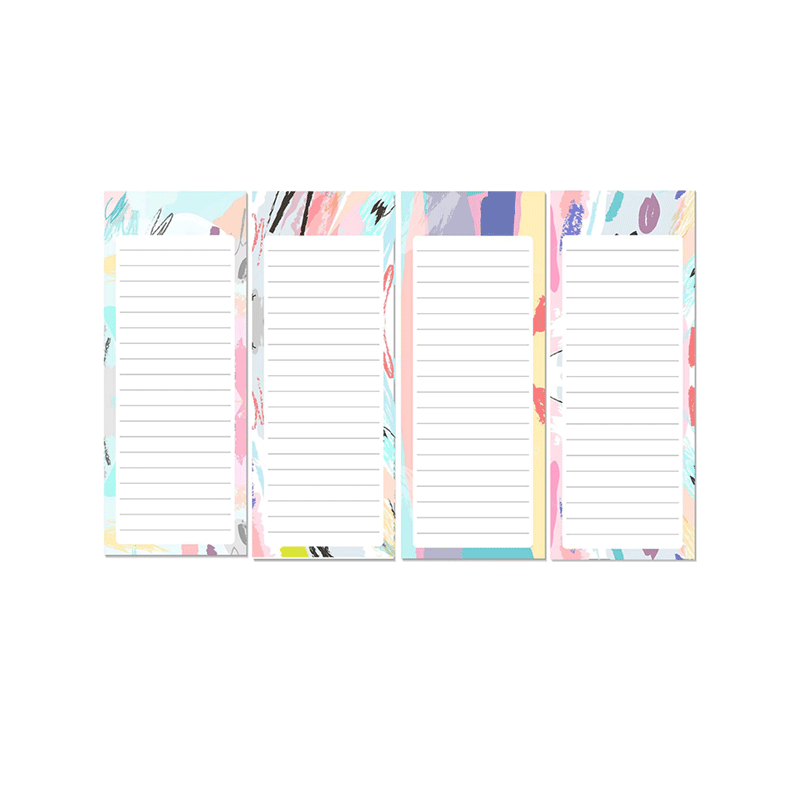
Colored legal pads allow users to visually distinguish between different subjects or projects. A pink pad might be used for one project, a blue pad for another, and a green pad for a third. This reduces the need for labeling and improves organization.
The personalization and aesthetic advantage
Colored legal pads offer a more personalized and aesthetically pleasing note-taking experience. The color of the pad can be matched to the user's preferences or the branding of the organization. This can improve engagement and make note-taking more enjoyable.
The readability advantage
Some users find colored paper to be easier on the eyes than bright yellow paper. Pastel colors reduce glare and improve contrast for certain types of ink. The colored paper can also help to reduce the appearance of smudges or corrections.
The Difference of colored and yellow legal pads
- Colored legal pads: visual differentiation, personalization, improved readability, suitable for project organization
- Yellow legal pads: traditional, familiar, lower contrast, suitable for general note-taking
- Colored legal pads: more expensive, less readily available, more visually appealing
The design variations of magnetic list notepads
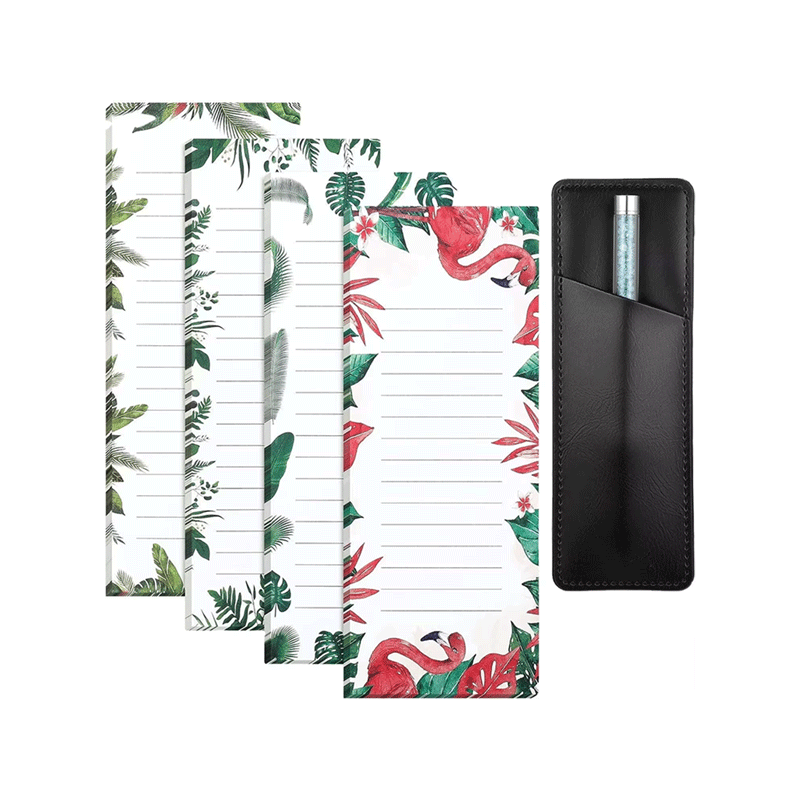
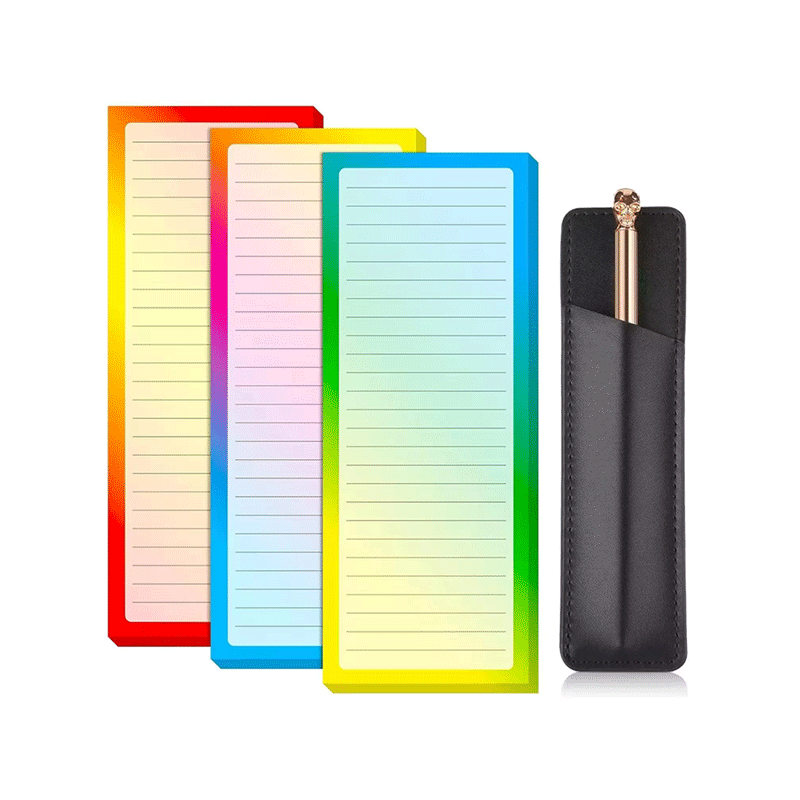
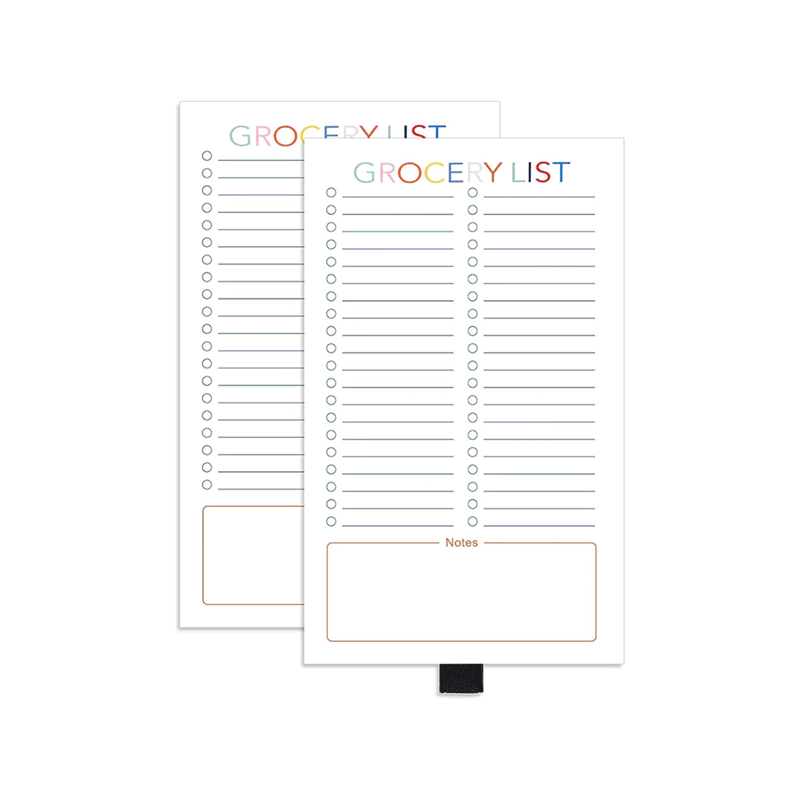
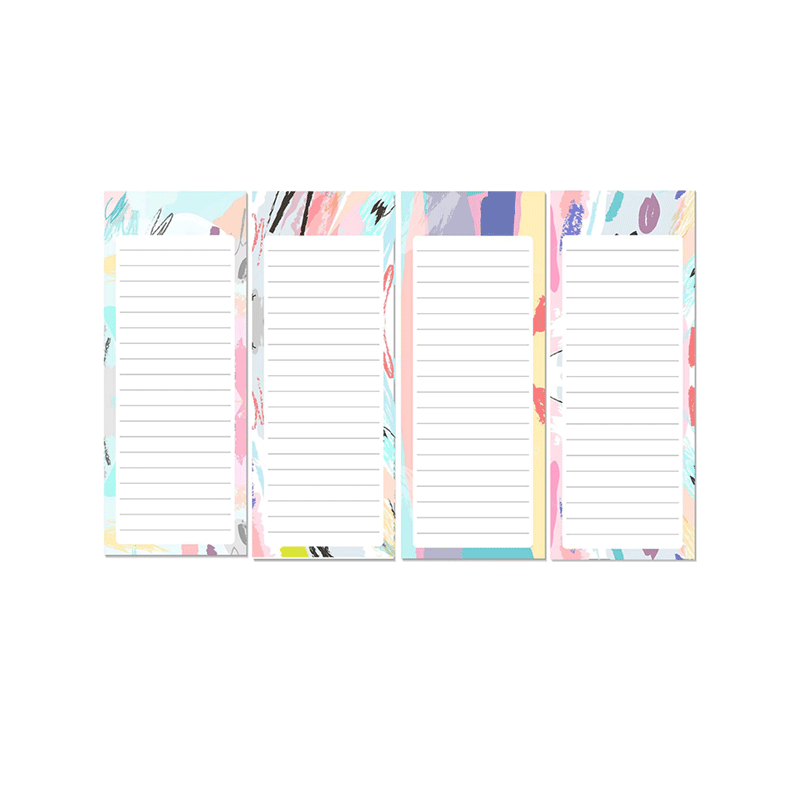
Magnetic list notepads are a specialized type of magnetic note pad designed for list-making. How the designs of magnetic list notepads differ is determined by the layout, size, and additional features.
The design variations and their features
|
Design Feature
|
Description
|
Best Use
|
|
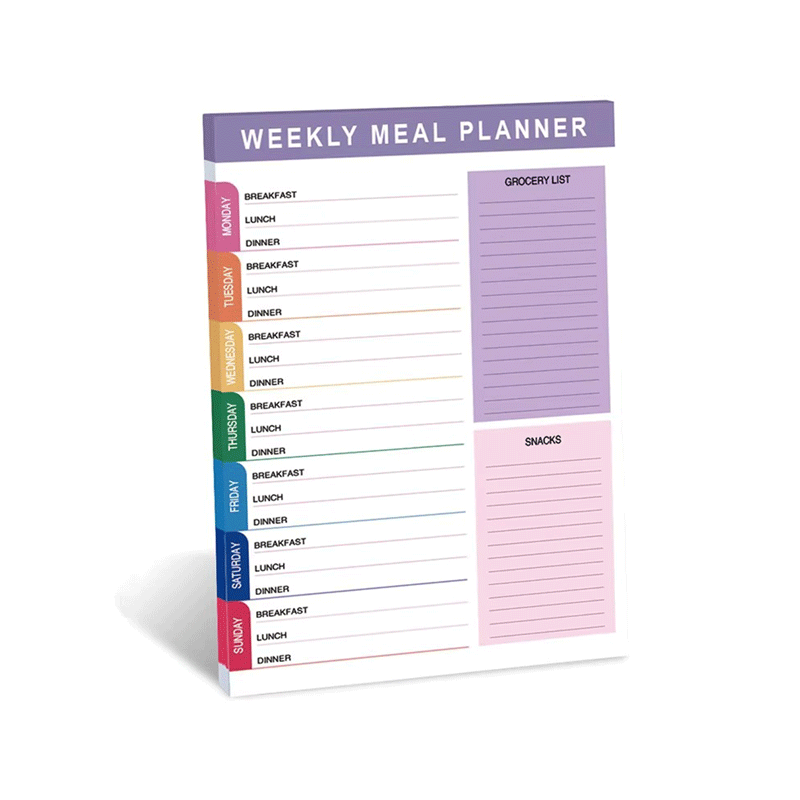
Grocery list layout
|
Organized by category: produce, dairy, meat, etc.
|
Grocery shopping, meal planning
|
|
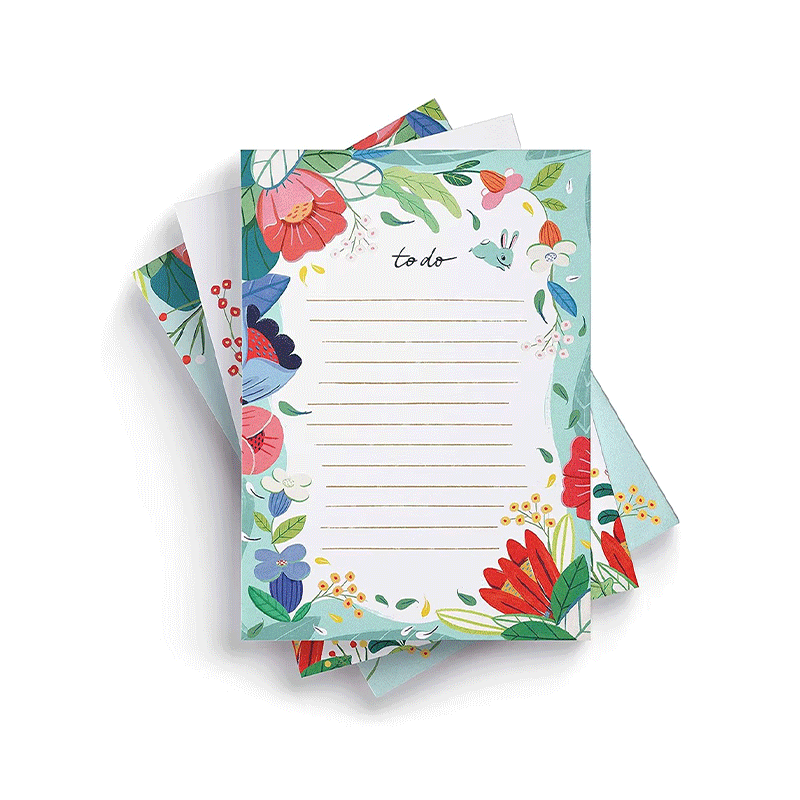
To-do list layout
|
Checklist format with checkboxes
|
Task management, daily planning
|
|
Blank layout
|
Plain paper with no pre-printed format
|
General note-taking, sketching
|
|
Lined layout
|
Standard ruled lines
|
General note-taking, lists
|
|
Custom layout
|
Tailored to specific user requirements
|
Commercial or brand-specific applications
|
What Factors Should Be Considered When Choosing an Office Memo Pad?
The selection of an office memo pad
The selection of an office memo pad involves evaluating the intended use, the writing instruments, and the required durability. The factors that should be considered when choosing an office memo pad are determined by the application.
The intended use
The intended use determines the size, binding, and paper type. A memo pad for brief notes may be small and compact. A memo pad for detailed meeting notes may be larger. A memo pad for permanent records must be durable and use acid-free paper.
The writing instruments
The writing instrument affects the paper selection. Ballpoint pens can be used on most paper types, but fountain pens and fine-tip pens require smoother, heavier paper to prevent bleed-through. Pencils require textured paper.
The required durability
The durability of the memo pad determines its lifespan. A memo pad for temporary notes may use lightweight paper and a simple binding. A memo pad for permanent records must be durable and use a secure binding.
The factors in choosing an office memo pad
- Intended use: size, binding, and paper type required for the application
- Writing instruments: smooth, heavy paper for fountain pens; textured paper for pencils
- Durability: lightweight paper for temporary notes, heavy paper and secure binding for permanent records
- Cost: cost per page versus durability and features, balancing quality and cost
FAQ
Q1: What paper weight is best for a notepad?
For most note-taking applications, 70–80 GSM paper is sufficient. For fountain pens and high-quality inks, 90–100 GSM paper is recommended. Heavier paper provides a more stable writing surface and resists ink bleed-through.
Q2: What is the advantage of a magnetic note pad?
The primary advantage is the ability to attach the pad to a metal surface. This makes the pad more visible and accessible in environments such as kitchens, offices, and workshops.
Q3: Are colored legal pads better than yellow legal pads?
Colored legal pads offer visual differentiation and personalization advantages over yellow pads. They allow users to organize by color and reduce the need for labeling. Yellow pads are the traditional choice for legal and professional use.
Q4: What is the best binding for an office memo pad?
Top-bound is the most common binding for office memo pads, allowing pages to be torn off cleanly. Side-bound is also available. Spiral binding provides the ability to lay flat, making it easier to write on the entire page.
Q5: How do I choose the right memo pad for my office?
Choose the memo pad based on the intended use, the writing instruments, and the required durability. Consider the size, binding, and paper type. Test the paper with the writing instruments used in the office to ensure compatibility.

 English
 Español
 Português