The Perfect Bound Standard: Notebook Selection, Durability, and Cover Choices
The application scenarios for perfect bound notebooks and journals
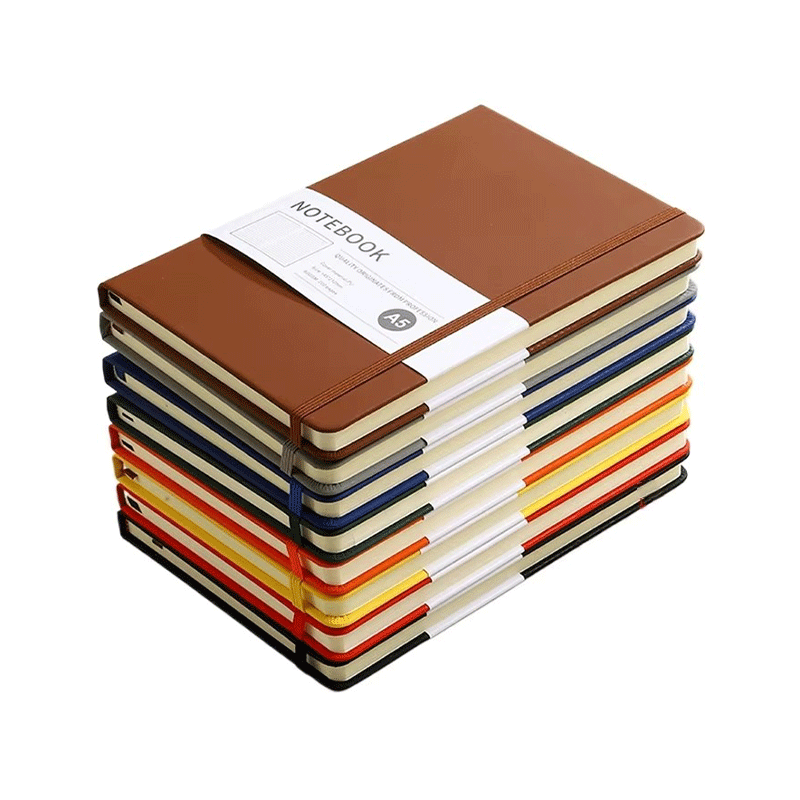
Perfect bound notebooks and journals are characterized by a glued spine that creates a clean, professional appearance. The scenarios where perfect bound notebooks and journals are best used are those where presentation, durability, and a flat-lay opening are not the primary requirements.
The professional and corporate use
Perfect bound notebooks are commonly used in corporate settings for meeting notes, presentations, and professional documentation. The clean spine and professional appearance make them suitable for client-facing or executive-level use. They are also used as presentation materials or as a component of a professional portfolio.
The gift and premium applications
Perfect bound notebooks are often used as premium gifts or promotional items. The high-quality appearance and the ability to customize the cover and interior make them a popular choice for corporate gifts and brand promotions. The books are also used in art and design contexts, where the clean, modern look is appreciated.
The publishing and retail use
Perfect bound notebooks are also used in retail settings. They are available in a wide range of sizes and styles and are a popular choice for general notebook applications. They are also used in the publishing industry for books and journals, where they offer a cost-effective alternative to hardcover binding.
The Difference of perfect bound and other binding methods
- Perfect bound notebooks: professional appearance, glued spine, cost-effective, suitable for corporate and premium use, does not lay flat
- Spiral bound notebooks: lay flat, durable, suitable for notes and study, more utilitarian appearance
- Hardcover notebooks: durable, premium appearance, lays flat (when sewn), suitable for journals and high-end applications
- Wire bound notebooks: lay flat, durable, suitable for notebooks and pads, professional appearance
How Can Small Notepad Sets Balance Aesthetic Appeal with Durability?
The balance between aesthetic appeal and durability in small notepad sets
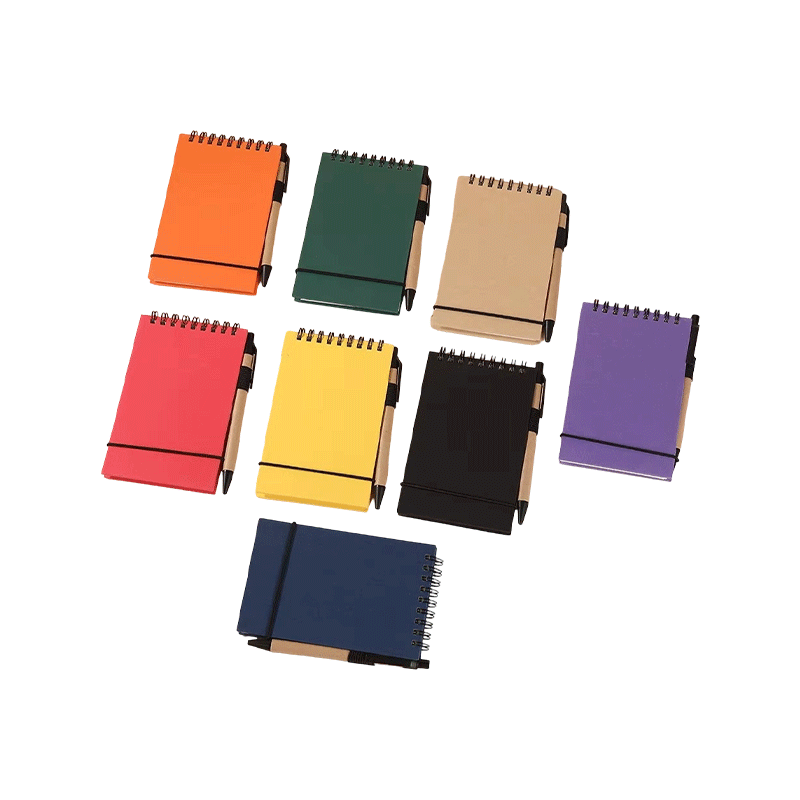
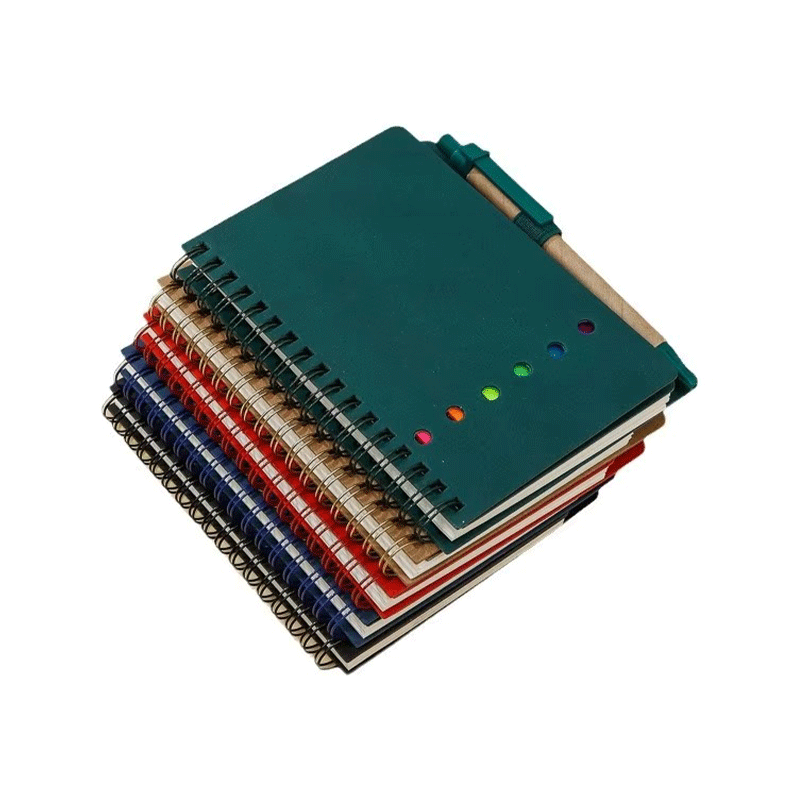
Small notepad sets are used in a variety of settings. How small notepad sets can balance aesthetic appeal with durability involves the selection of materials and construction methods that provide both.
The cover materials for aesthetic appeal
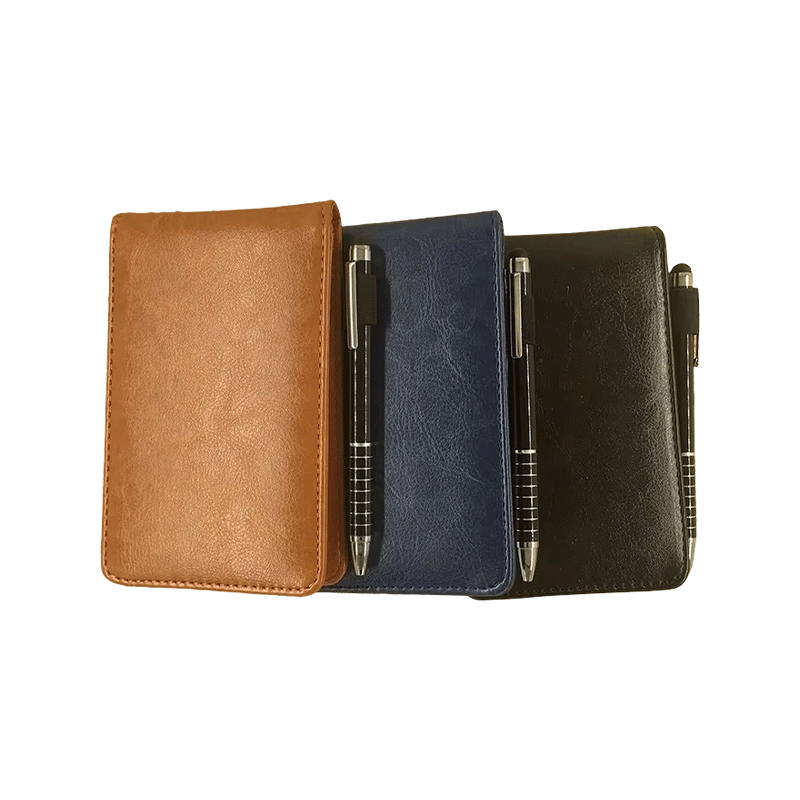
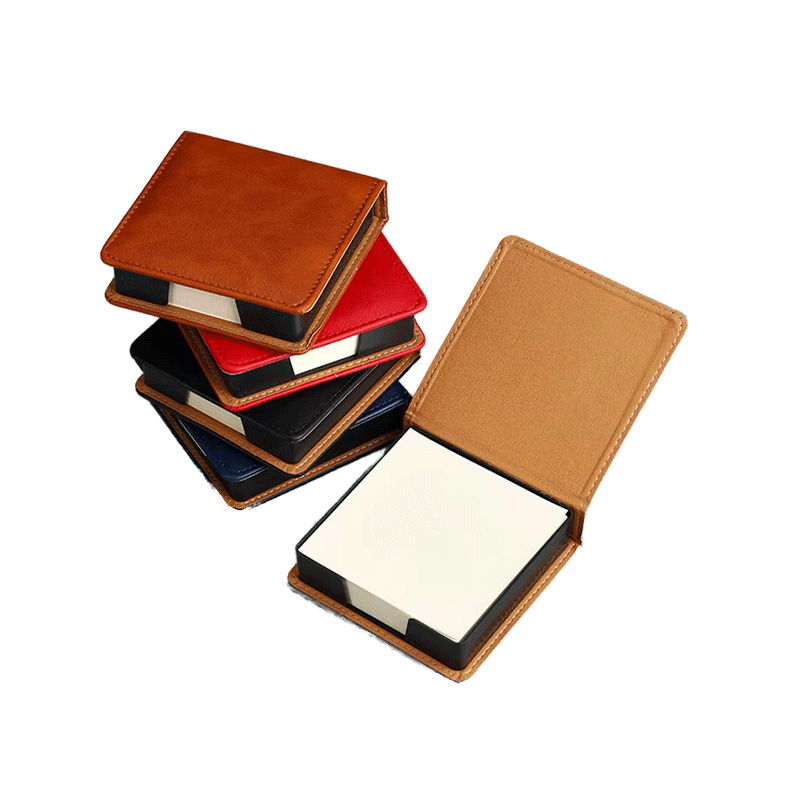
The cover material is the primary factor in aesthetic appeal. Paperboard covers provide a clean, printable surface for branding and design. They are also cost-effective and available in a wide range of colors. Leather or leatherette covers provide a premium, tactile experience and are available in a variety of colors and finishes. Fabric covers provide a unique texture and can be embossed or printed.
The durability features
The durability of a notepad is determined by the cover material and the binding method. Paperboard covers are less durable than leather or leatherette. Wire or spiral binding is more durable than perfect binding. The paper quality also affects durability—higher weight paper is more resistant to tearing and ink bleed-through.
The balance between aesthetic appeal and durability
|
Feature
|
Aesthetic Appeal
|
Durability
|
Balance
|
|
Paperboard cover
|
Good; printable; available in colors
|
Low; susceptible to wear
|
Cost-effective; suitable for short-term use
|
|
Leather/leatherette cover
|
Excellent; premium feel; high-quality appearance
|
High; durable; long-lasting
|
Premium; suitable for long-term use and gifts
|
|
Wire/perfect binding
|
Good; clean appearance
|
Moderate to high
|
Balance of appearance and durability
|
|
Spiral binding
|
Moderate; utilitarian
|
High
|
Functional; suitable for frequent use
|
The advantages and limitations of spiral hardcover notebooks
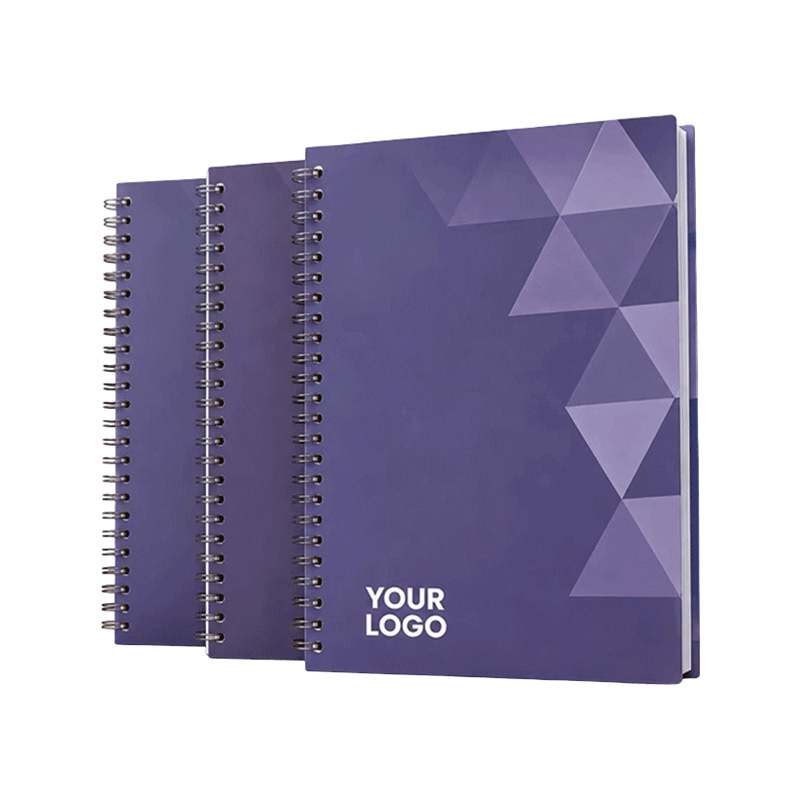
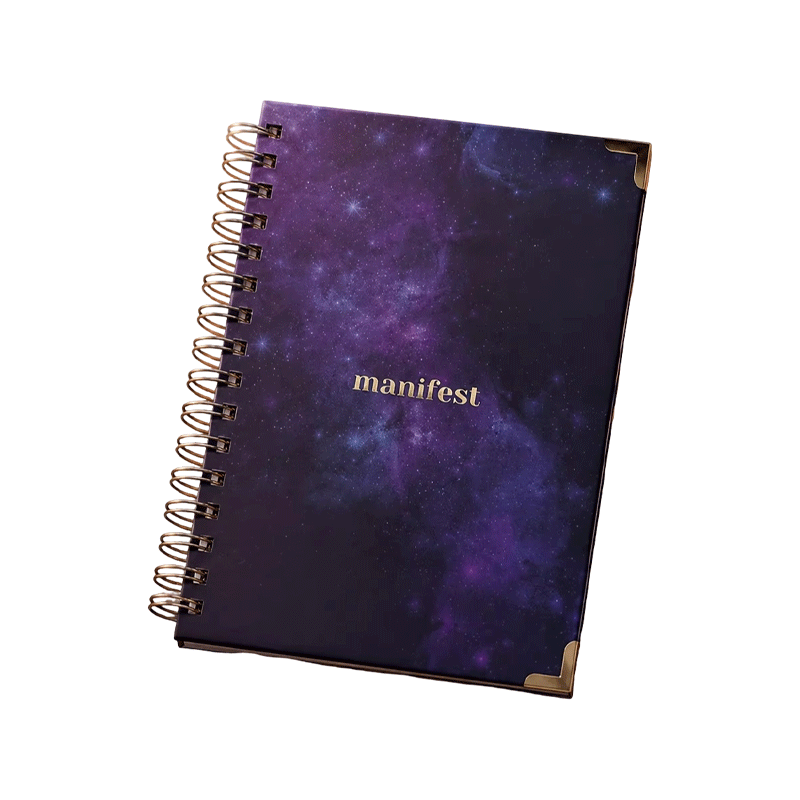
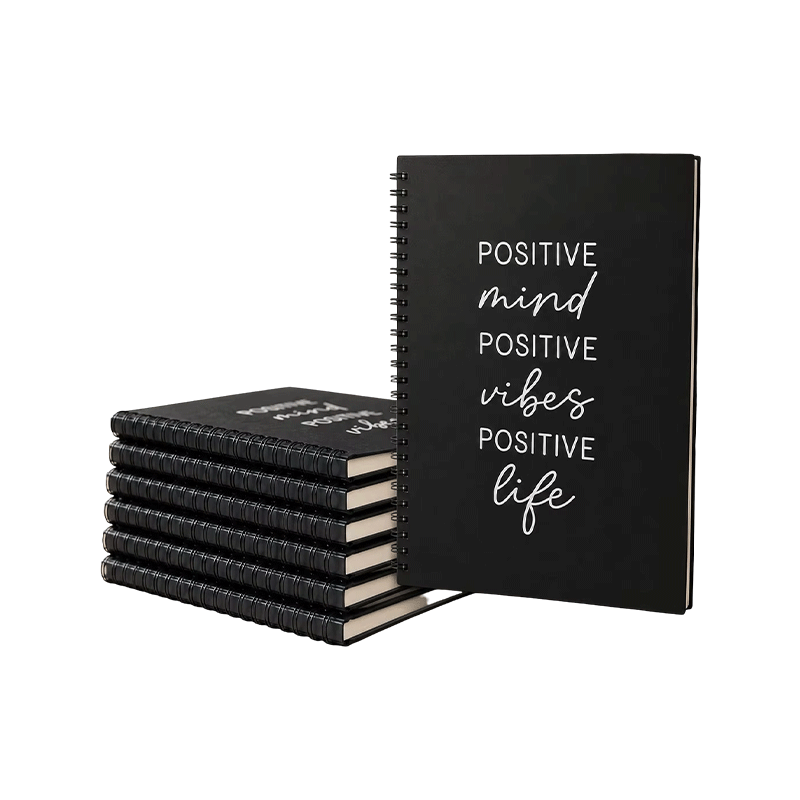
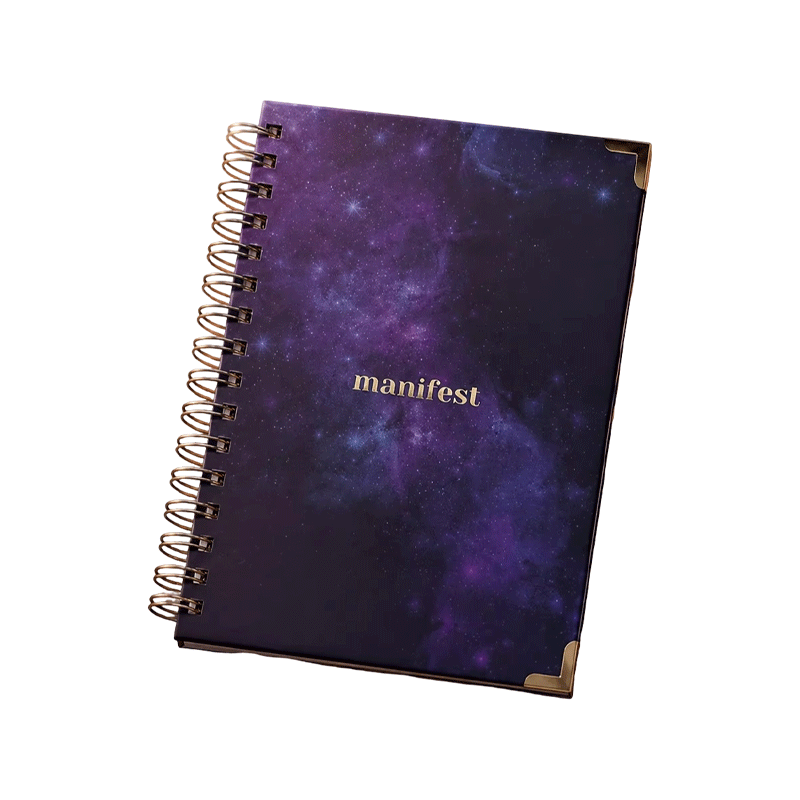
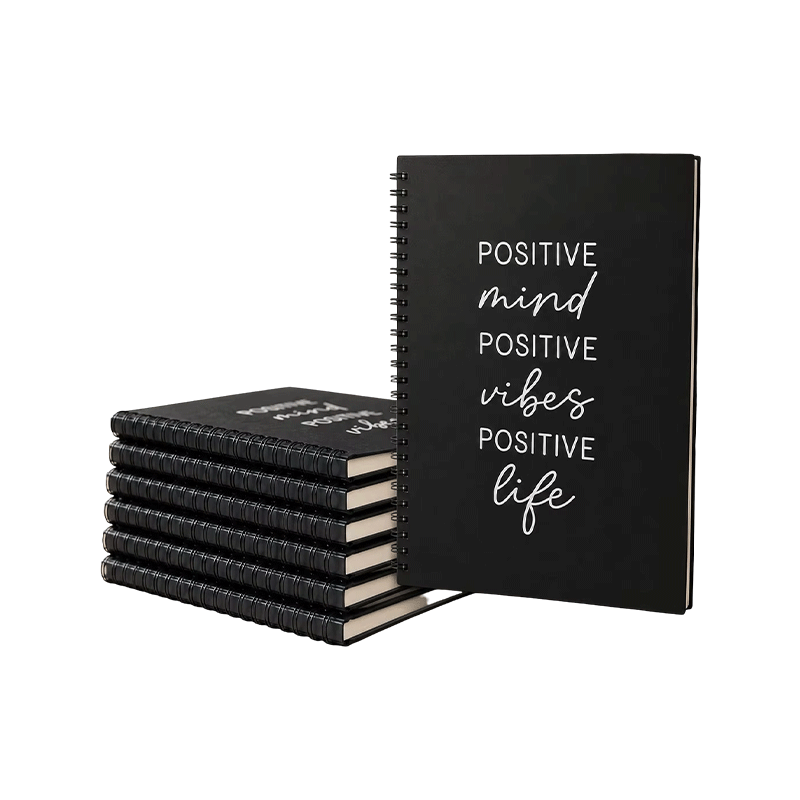
Spiral hardcover notebooks combine the durability of a hardcover with the flexibility of spiral binding. The advantages and limitations of spiral hardcover notebooks are determined by the binding method and the cover materials.
The advantages of spiral hardcover notebooks
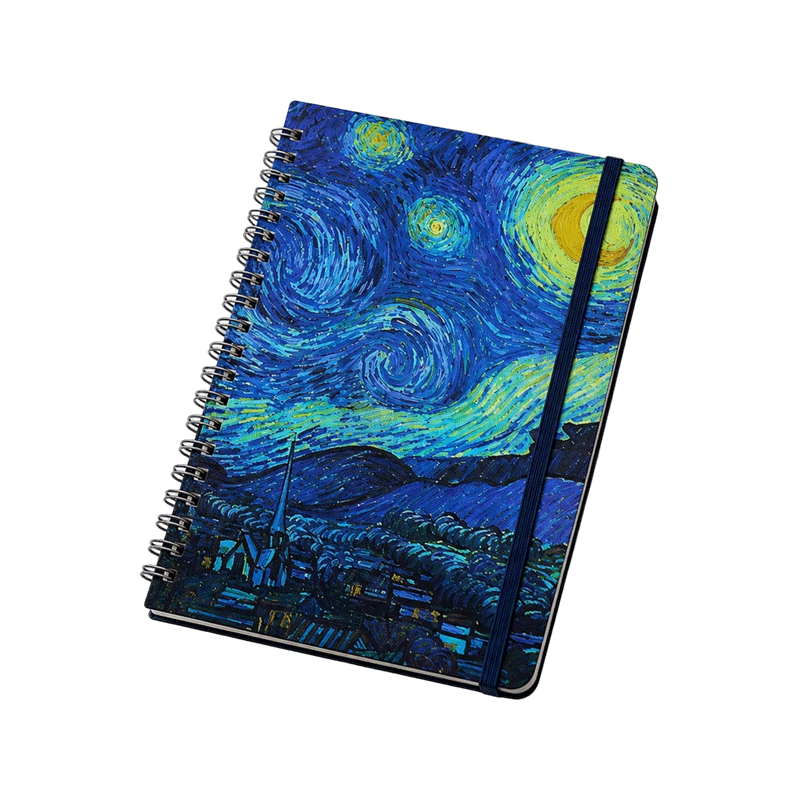
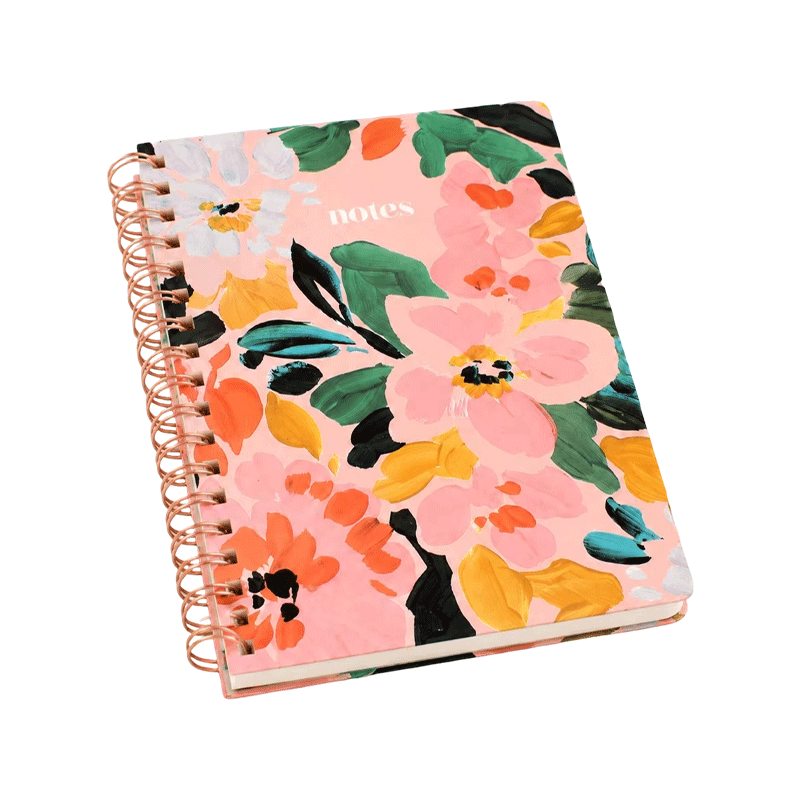
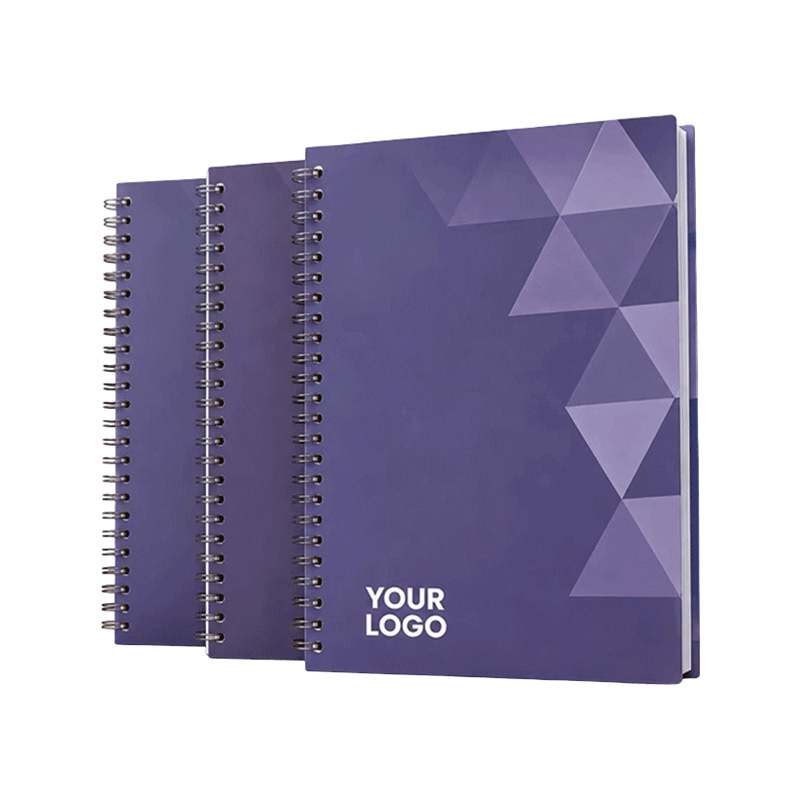
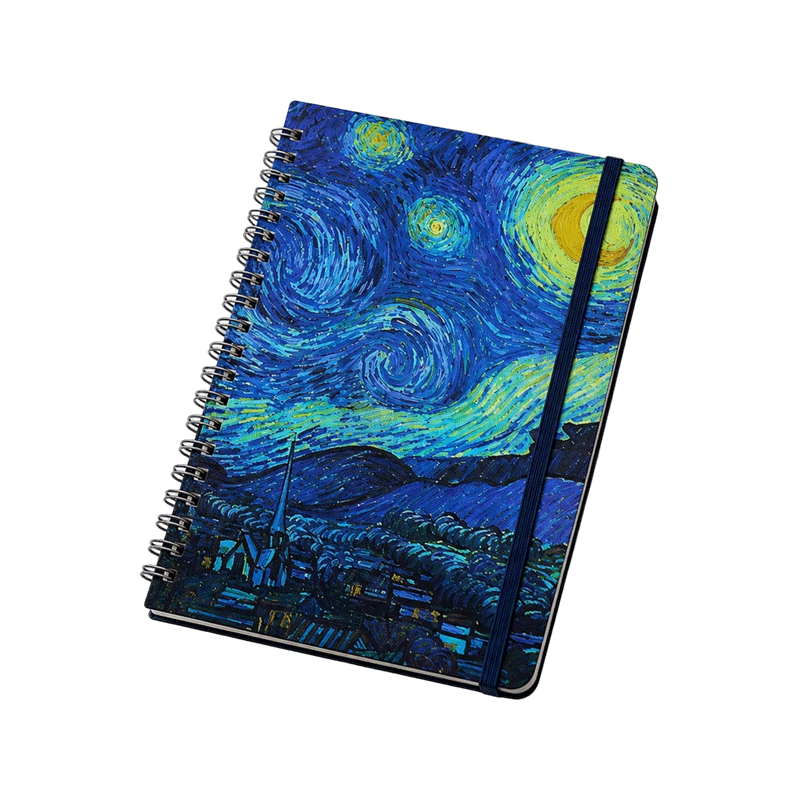
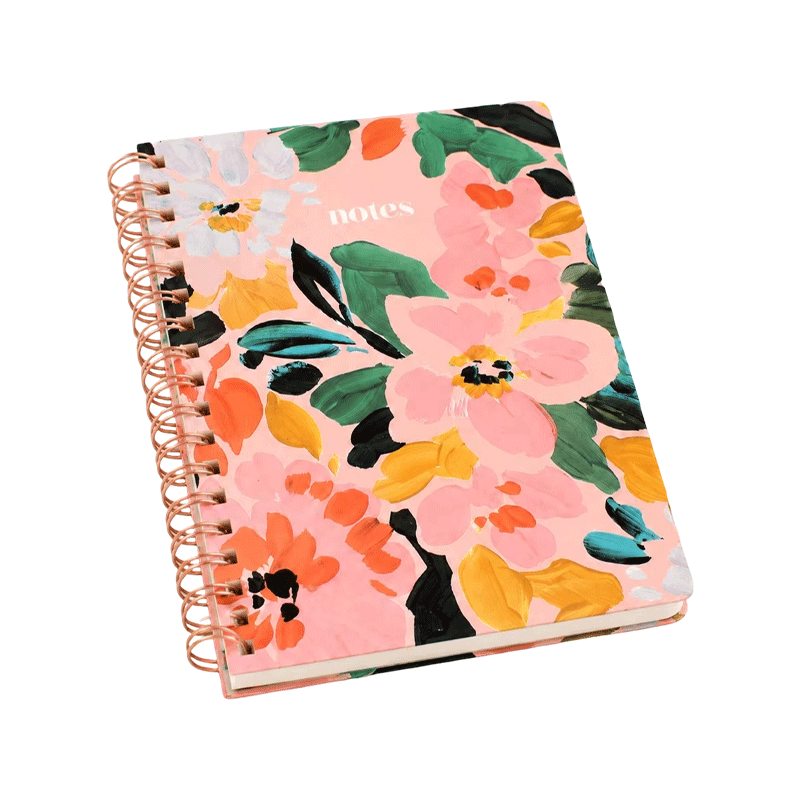
The primary advantage is the ability to lay flat. The spiral binding allows the notebook to open completely flat, making it easier to write on the entire page. This is particularly useful for taking notes, drawing, or completing forms. The hardcover provides durability and protection for the pages, making the notebook suitable for travel and daily use. The cover also provides a rigid writing surface when the notebook is not placed on a table.
The limitations of spiral hardcover notebooks
The primary limitation is the visibility of the spiral binding. The spiral is visible on the outside, giving the notebook a more utilitarian appearance. The spiral can also catch on clothing or other objects if the notebook is carried in a bag or pocket. The spiral is more susceptible to damage than other binding methods, and the pages cannot be easily removed or added. The hardcover also makes the notebook bulkier and heavier than a softcover or perfect bound notebook.
The Difference of spiral hardcover and other notebook types
- Spiral hardcover: lays flat, durable, suitable for notes and study, more utilitarian appearance, bulkier
- Perfect bound softcover: professional appearance, sleek, portable, does not lay flat, less durable
- Wire bound hardcover: lays flat, durable, professional appearance, similar to spiral but with a wire coil
- Sewn hardcover: lays flat, premium, durable, expensive, suitable for journals and high-end use
The selection of covers for spiral notebooks and pads
The cover of a spiral notebook or pad serves both functional and aesthetic purposes. How one should choose the covers for spiral notebooks and pads depends on the intended use, the durability requirement, and the aesthetic preference.
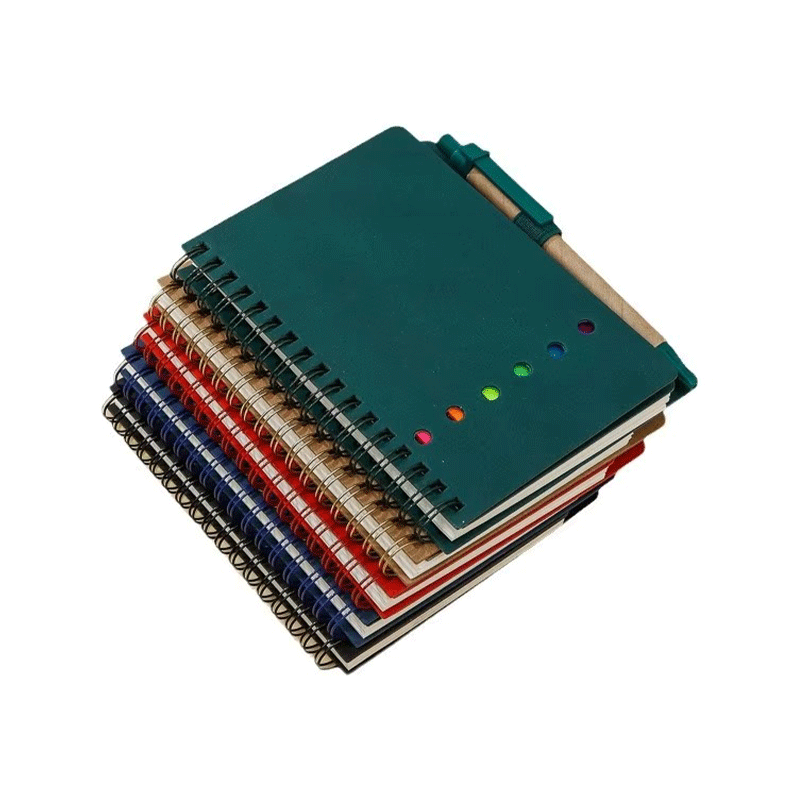
The paperboard covers
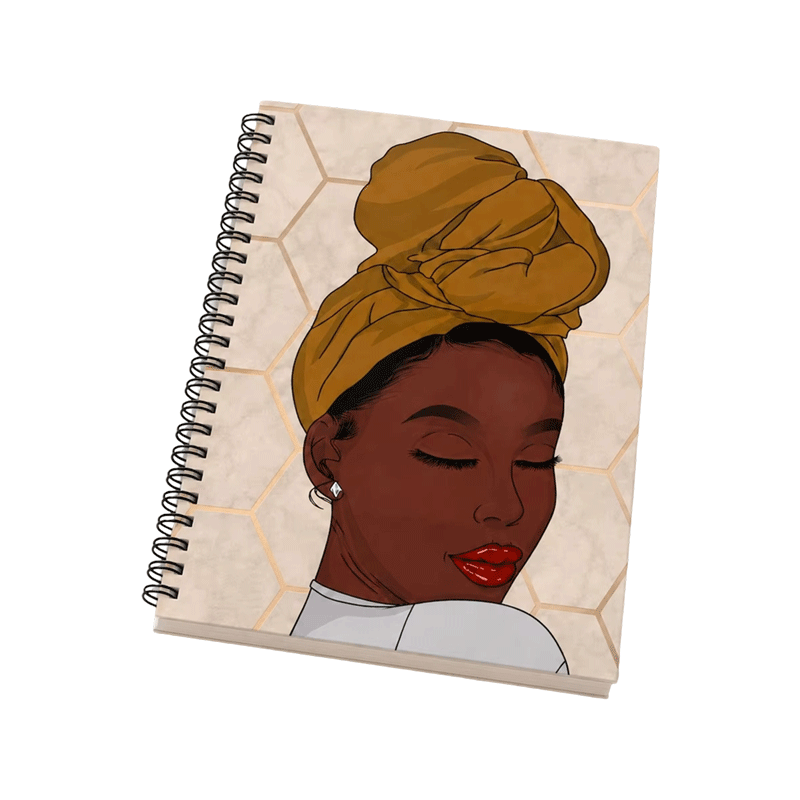
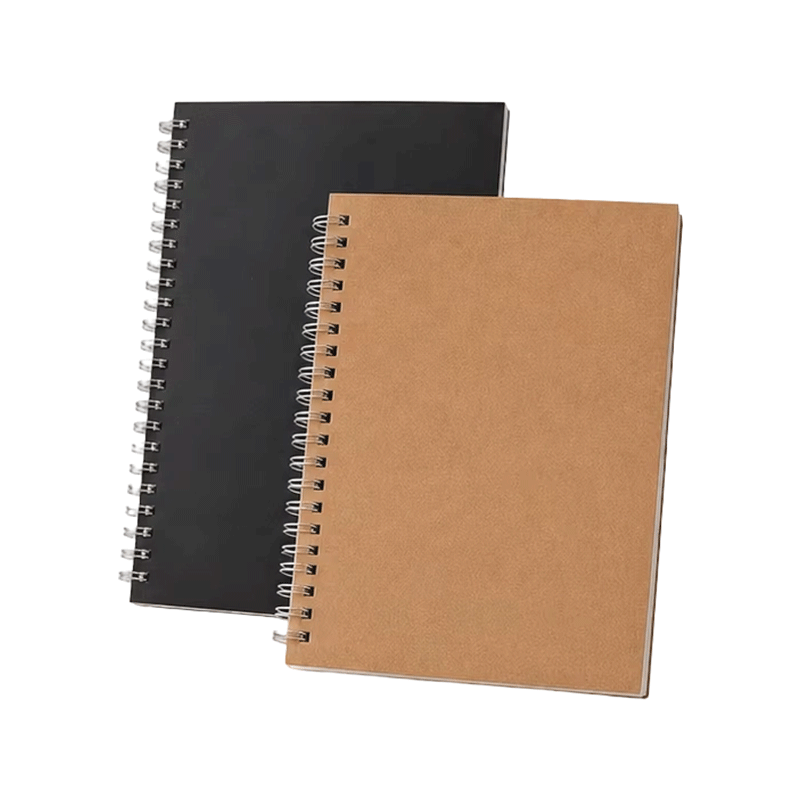
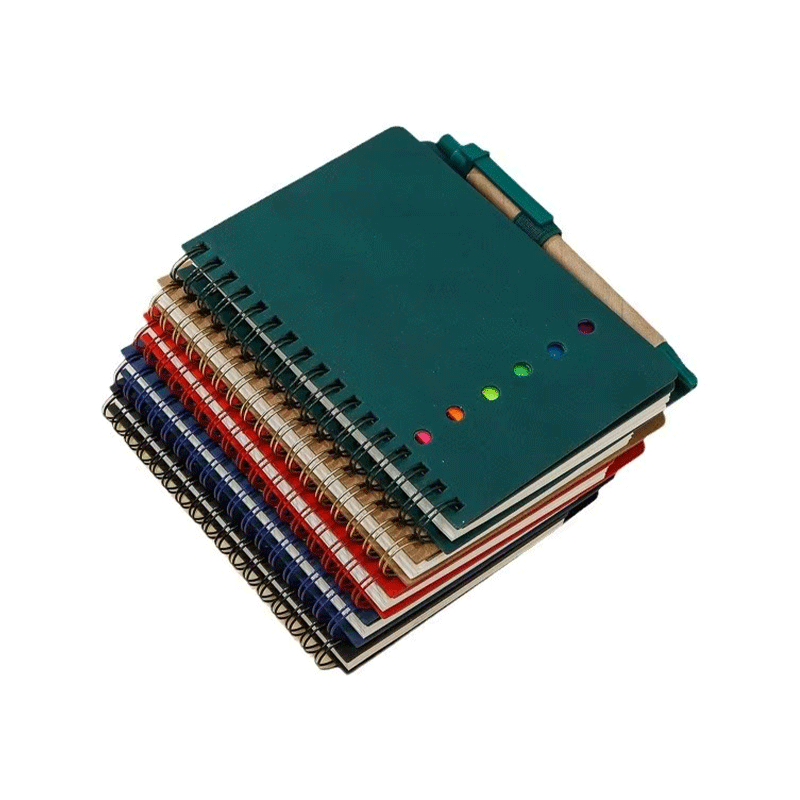
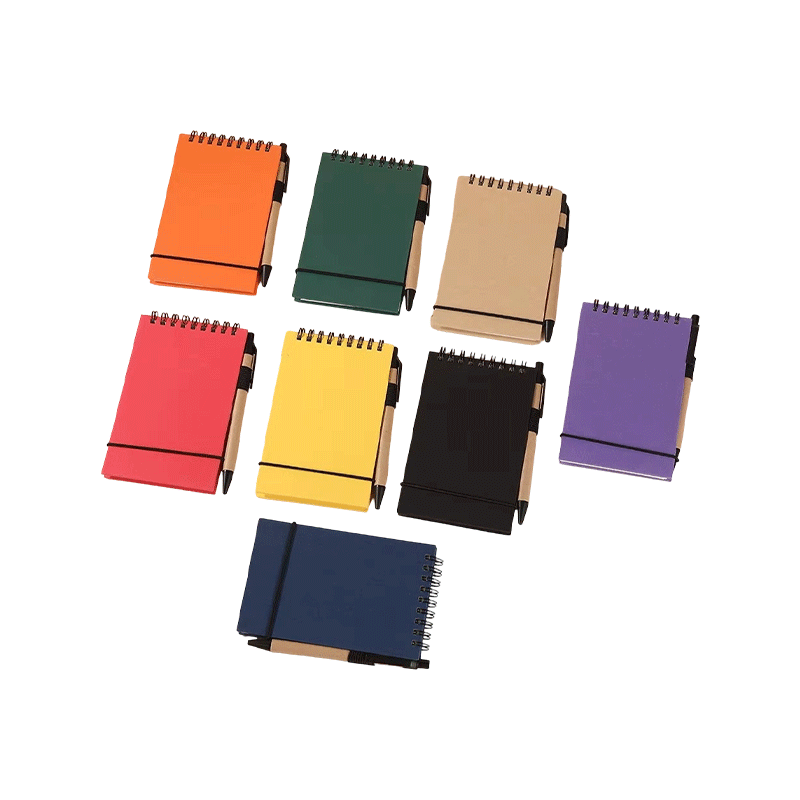
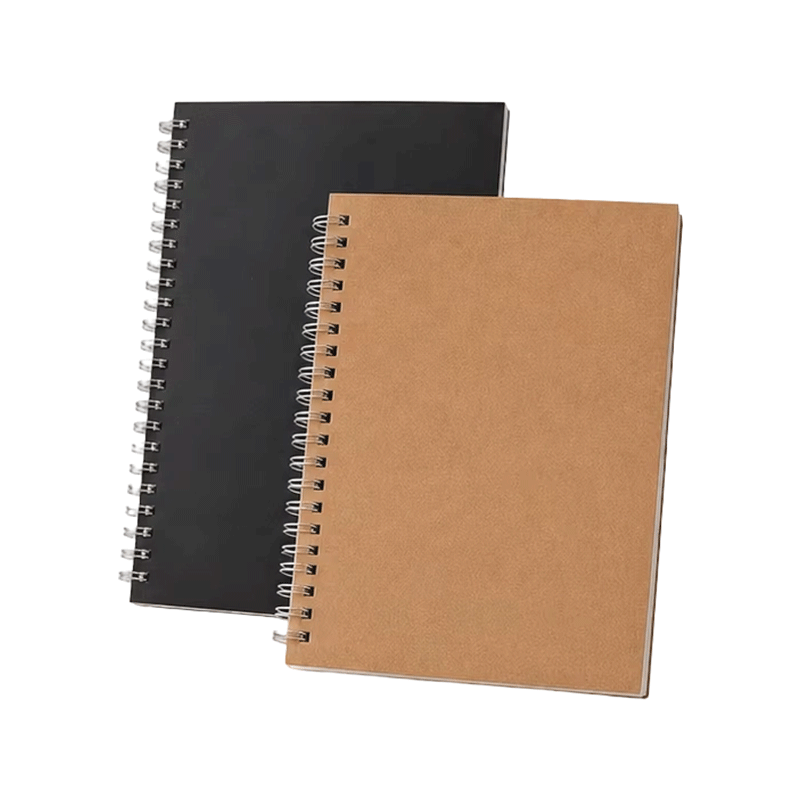
Paperboard covers are the most common and cost-effective option. They provide a clean, printable surface for branding and design. They are available in a variety of colors and finishes, including matte, gloss, and textured. The durability is moderate, with the cover providing adequate protection for daily use but being susceptible to wear over time. This option is well-suited for applications where cost-effectiveness is a primary concern.
The plastic covers
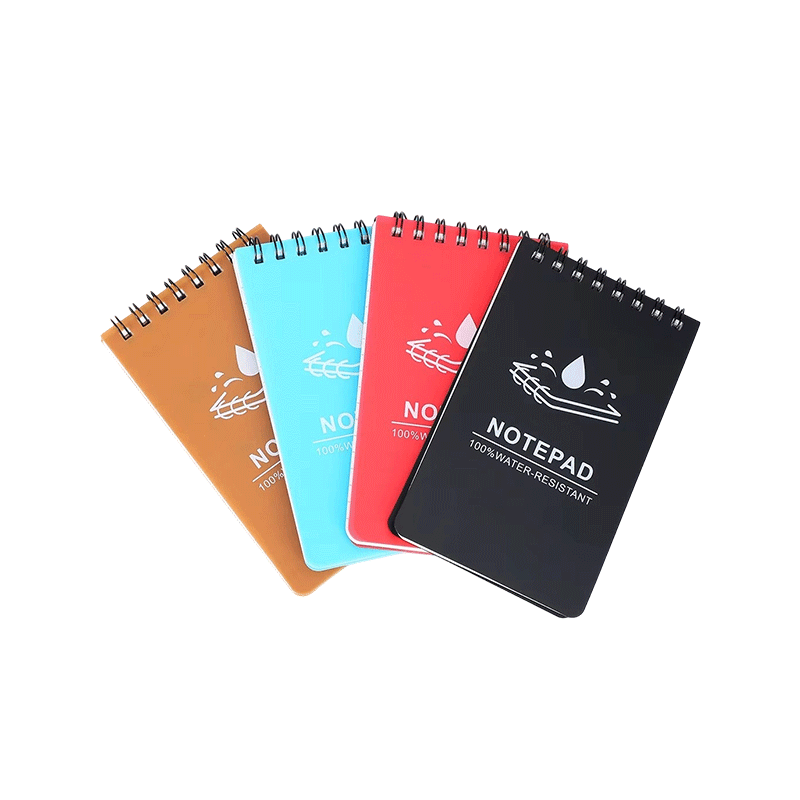
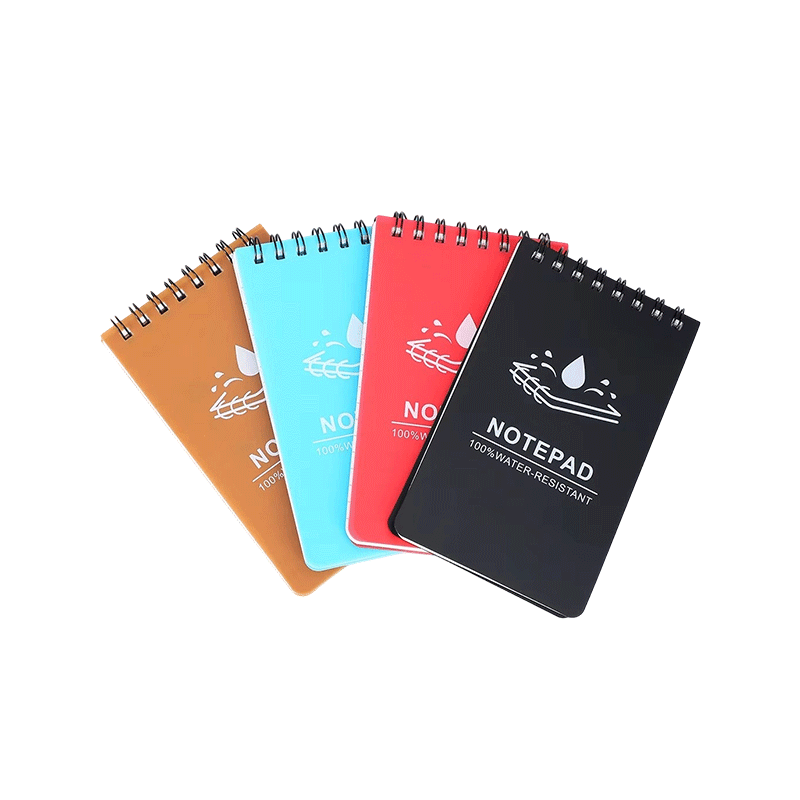
Plastic covers provide high durability and resistance to moisture, stains, and wear. They are available in clear, tinted, and opaque finishes. The cover can be customized with printing or embossing. Plastic covers are commonly used in industrial and field applications, and are also a practical choice for student notebooks.
The leather or leatherette covers
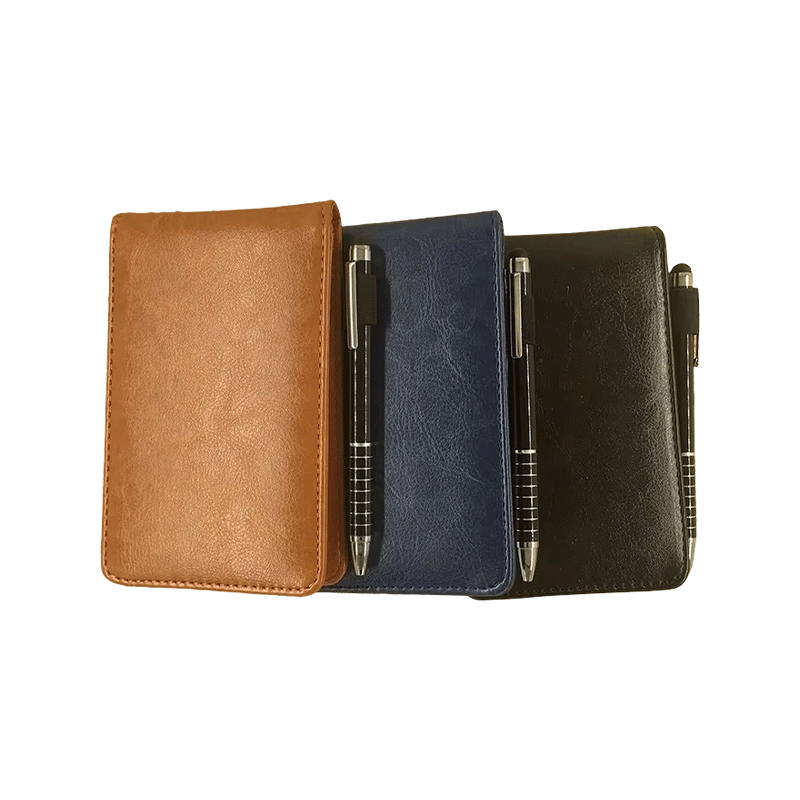
Leather or leatherette covers provide a premium, professional appearance. They are durable and resistant to wear, developing a patina over time. They are available in a variety of colors and finishes and can be customized with embossing or debossing. This option is suitable for premium applications, such as executive journals or professional portfolios.
The selection of covers for spiral notebooks and pads
- Paperboard: cost-effective, printable, moderate durability, suitable for general use and branding
- Plastic: high durability, moisture-resistant, stain-resistant, suitable for industrial and field use
- Leather/leatherette: premium appearance, durable, develops patina, suitable for professional and gift applications
- Fabric: unique texture, printable or embossable, moderate durability, suitable for premium and design applications
FAQ
Q1: What is a perfect bound notebook?
A perfect bound notebook has a glued spine, creating a clean, professional appearance. The pages are not sewn or wire-bound, and the spine is typically flat. The book does not lay flat but provides a sleek, professional look suitable for corporate and gift applications.
Q2: What are the advantages of a spiral hardcover notebook?
The primary advantage is that the spiral hardcover notebook lays flat, making it easier to write on the entire page. The hardcover provides durability, making it suitable for travel and daily use. The cover also provides a rigid writing surface.
Q3: What is the difference between a spiral and a wire bound notebook?
Spiral binding uses a plastic or metal coil that passes through punched holes in the pages and cover. Wire binding uses a metal wire that is inserted through the holes and crimped closed. Wire binding is more durable and provides a more professional appearance than spiral binding, but both allow the notebook to lay flat.
Q4: What cover material is best for a notebook that will be used outdoors?
Plastic covers are the best choice for outdoor use, providing high durability and resistance to moisture, stains, and wear. They are also easy to clean and maintain. Leather or leatherette covers may be suitable for outdoor use in less demanding environments.
Q5: Can perfect bound notebooks be customized?
Yes, perfect bound notebooks can be customized with custom covers, interior pages, and additional features such as bookmarks and pockets. The cover can be printed with the desired design, and the interior can be customized with specific page layouts.

 English
 Español
 Português