The Coil Notebook Standard: Materials, Advantages, and Paper Selection
Why Is the Coil Material of Coil Notebooks Typically Metal?
The use of metal in coil notebook binding
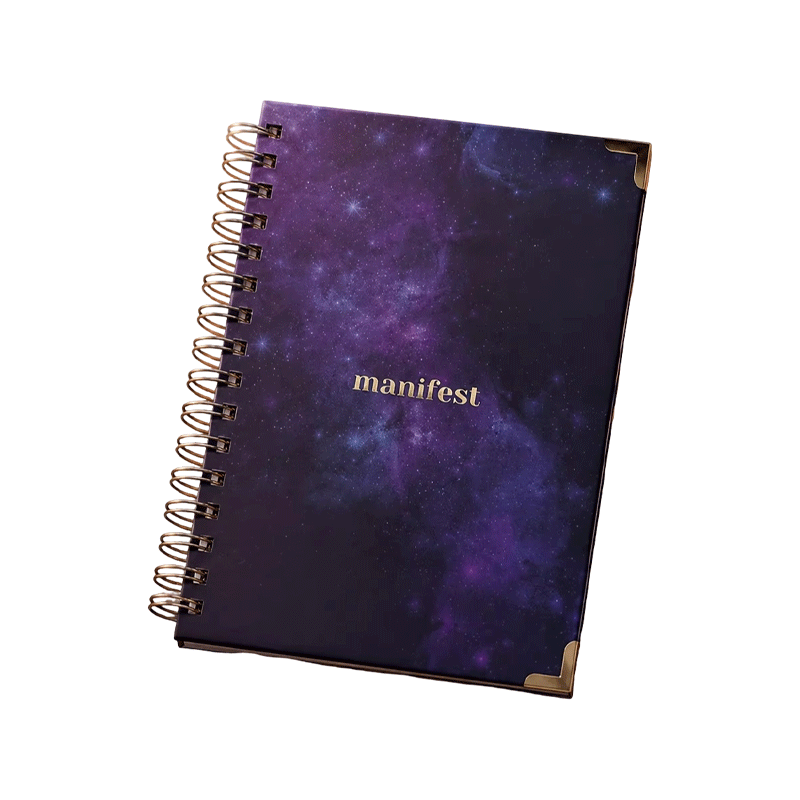
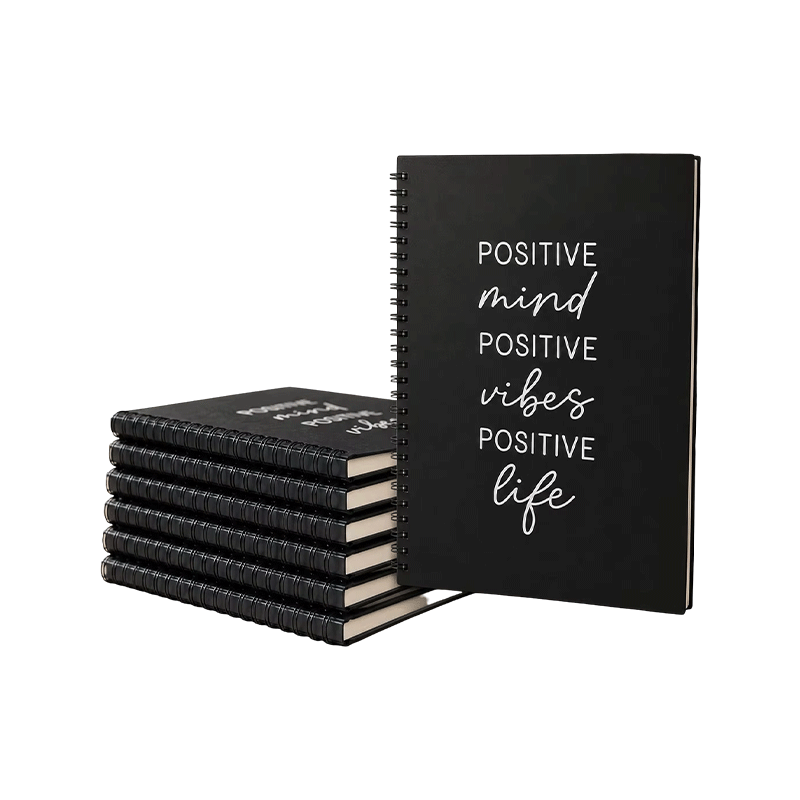
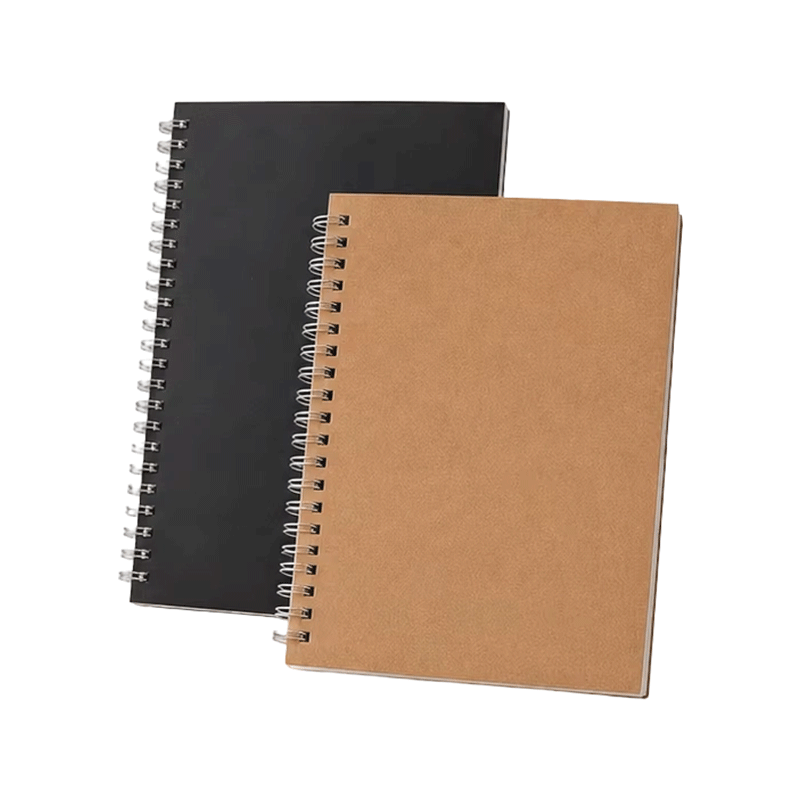
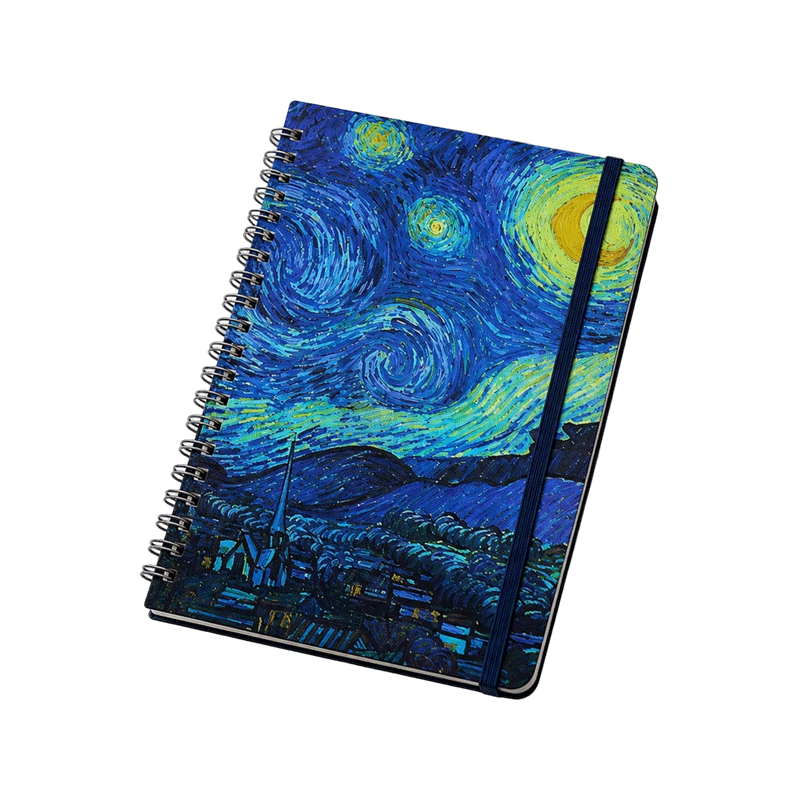
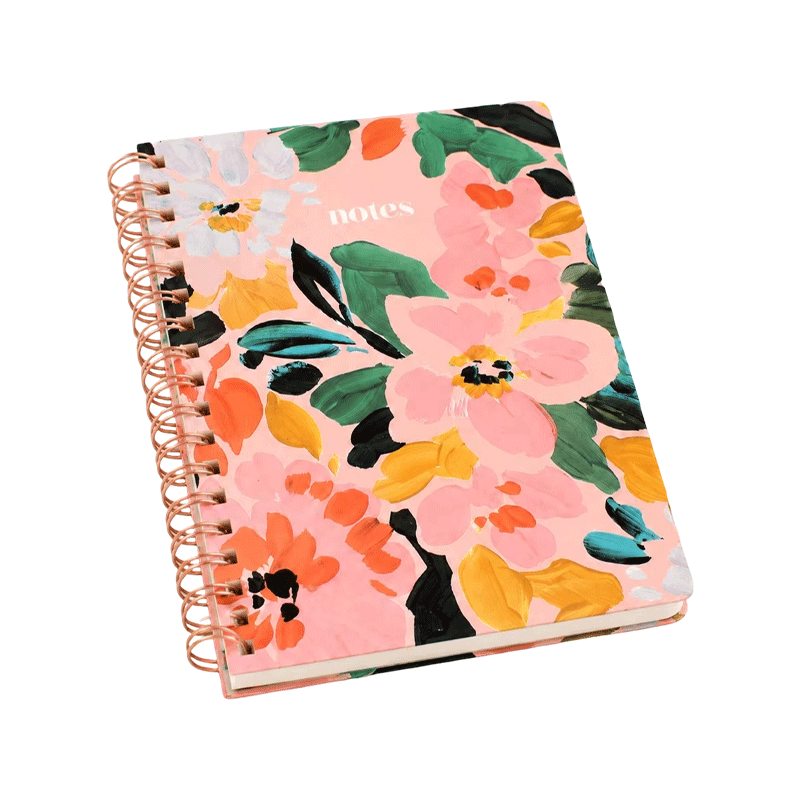
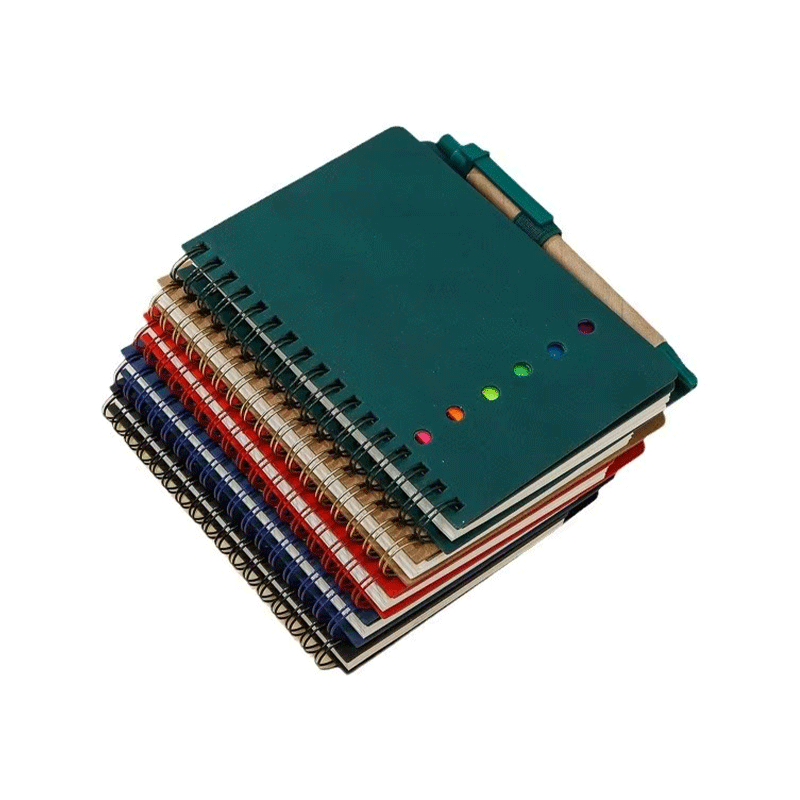
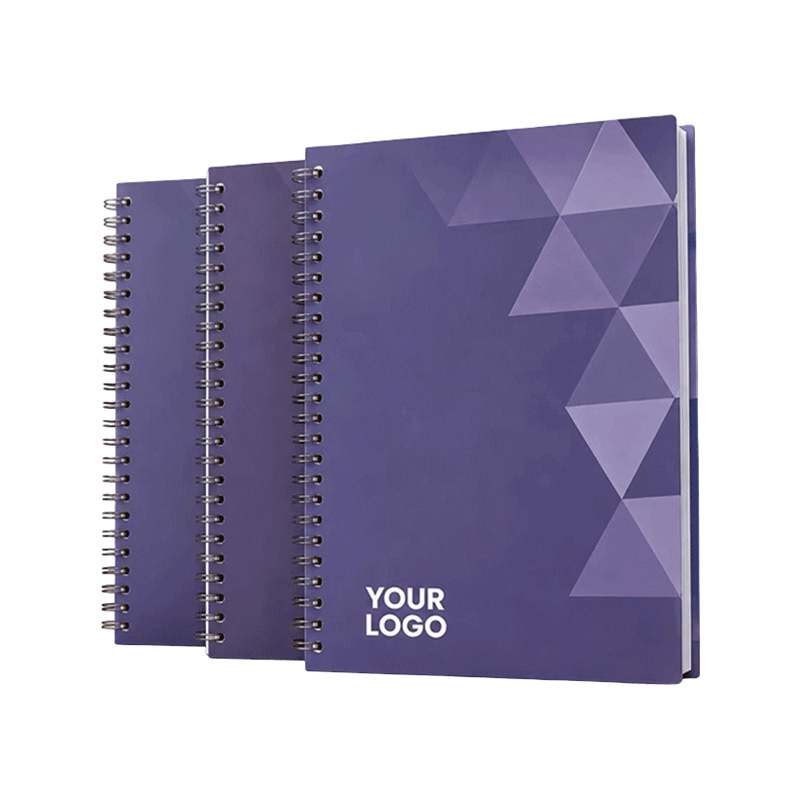
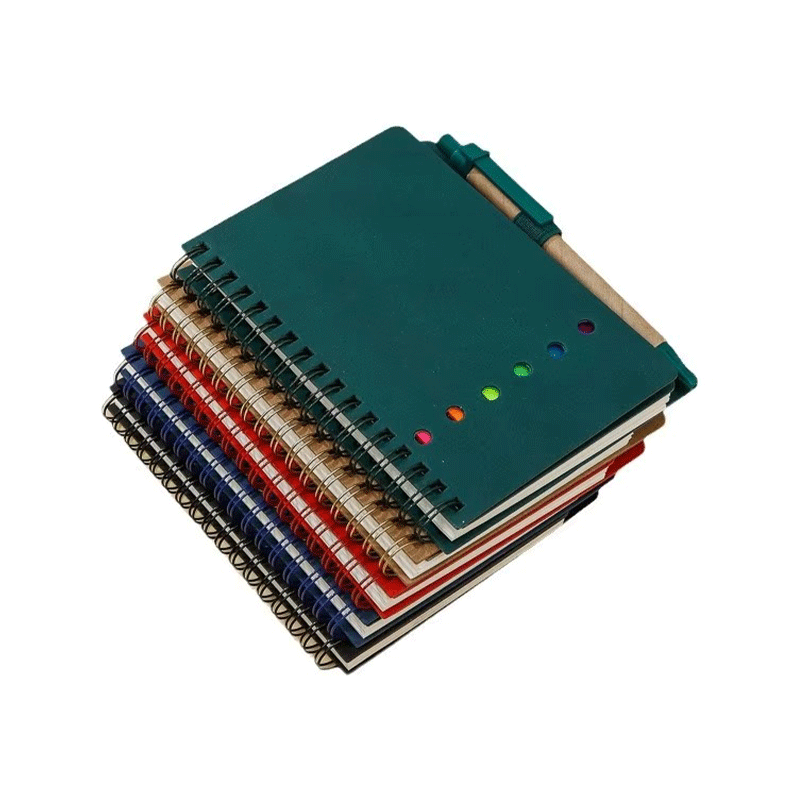
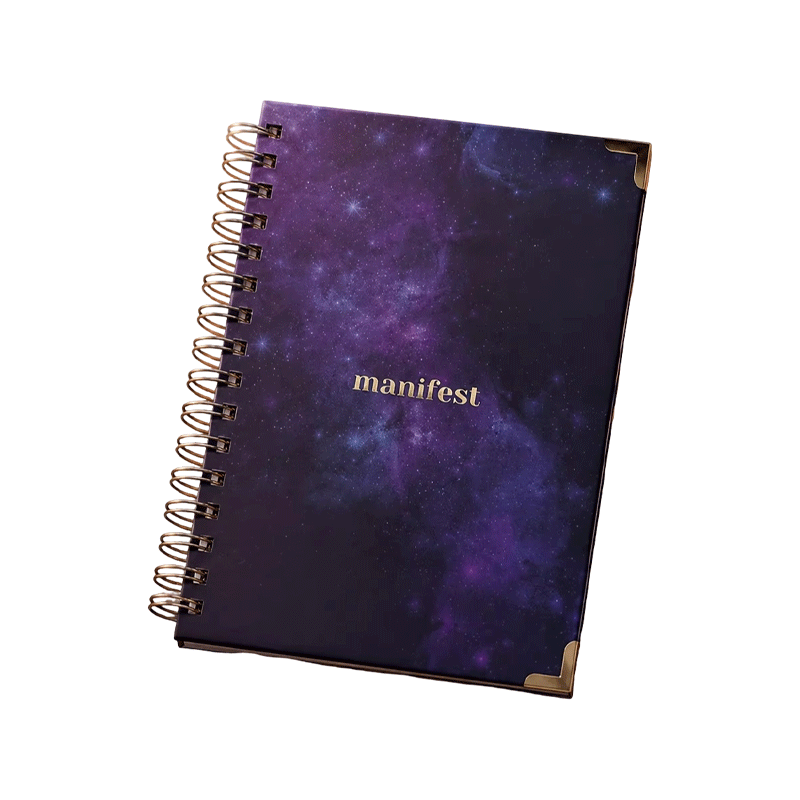
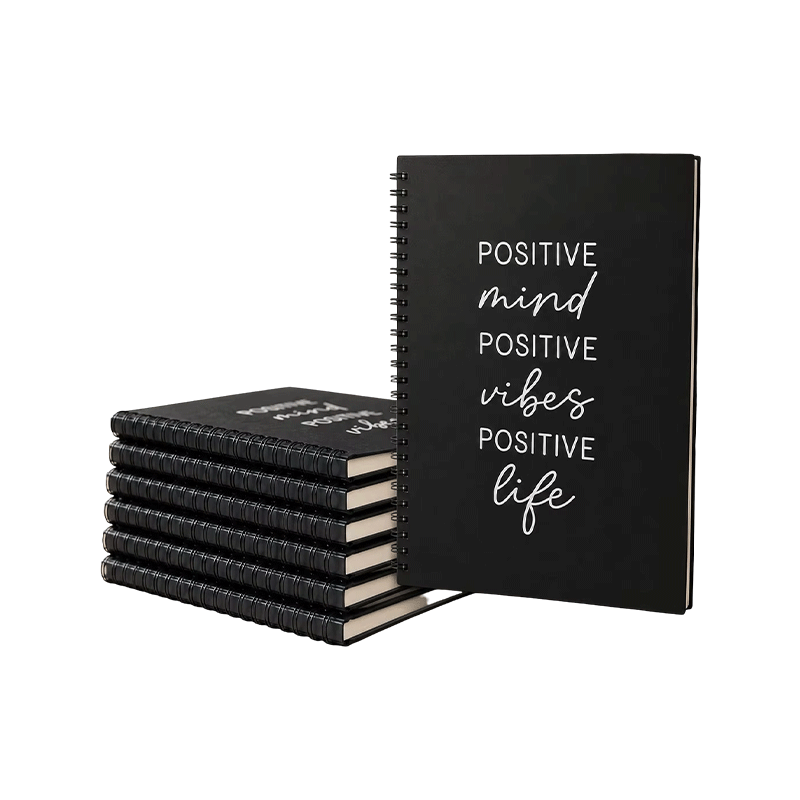
Coil notebooks use a spiral of wire or plastic to bind the pages together. Why the coil material of coil notebooks is typically metal comes down to durability and manufacturing efficiency.
The durability of metal coils
Metal coils offer superior strength and resistance to deformation compared to plastic alternatives. A metal coil withstands repeated opening and closing without losing its shape, and it resists the stress of being carried in bags or backpacks. Metal coils are also less likely to break or crack under regular use.
The manufacturing efficiency of metal coils
Metal coils are easier to manufacture on high-speed equipment. The wire is fed from a spool, formed into the coil shape, and cut to length automatically. Plastic coils require more complex molding or extrusion processes, making them more expensive to produce.
The Difference of metal and plastic coil materials
- Metal coil: more durable, stronger, resists deformation, easier to manufacture, recyclable, suitable for heavy use
- Plastic coil: lighter, more flexible, lower strength, more expensive to manufacture, suitable for light use
- Metal coil: preferred for notebooks used daily and carried in bags, where durability is essential
The advantages of loose-leaf notebooks
Loose-leaf notebooks are characterized by their removable pages. The core advantages of loose-leaf notebooks are flexibility, customization, and reusability.
The flexibility advantage
Pages can be added, removed, or reordered at any time. This allows the user to organize the notebook as needed, without being constrained by the binding. The flexibility also allows the user to remove completed pages and add new ones, extending the life of the notebook.
The customization advantage
Loose-leaf notebooks allow the user to customize the notebook with different types of paper, including lined, grid, dot, and blank paper. The user can also add dividers, pockets, and other accessories.
The reusability advantage
The notebook itself can be reused indefinitely. The cover and binding are retained, and only the pages need to be replaced. This makes loose-leaf notebooks more sustainable and cost-effective than bound notebooks.
The Difference of loose-leaf and other notebook types
- Loose-leaf: flexible, customizable, reusable, suitable for organizing and reordering
- Bound notebooks: fixed page order, cannot be reordered, less flexible, more permanent
- Spiral notebooks: pages are bound, cannot be reordered, more durable, suitable for notes and study
What Is the Key to Preventing Ink Bleed-Through in Spiral Coil Notebooks?
The prevention of ink bleed-through in spiral coil notebooks
Ink bleed-through occurs when ink penetrates the page and is visible on the reverse side. The key to preventing ink bleed-through in spiral coil notebooks is the selection of the paper weight and the paper coating.
The paper weight
The most important factor is the paper weight. The thickness of the paper determines how far the ink penetrates. Heavier paper, with a higher grams per square meter (GSM), provides more resistance to bleed-through. For fountain pens and other wet inks, a paper weight of at least 90–100 GSM is recommended.
The paper coating and surface treatment
The paper coating also affects ink penetration. Coated papers have a smooth surface that resists ink penetration, reducing the risk of bleed-through. Uncoated papers are more absorbent and are more likely to bleed through. The coating must be compatible with the type of ink used.
The key factors in preventing ink bleed-through
- Paper weight: heavier paper (90–100+ GSM) resists bleed-through, while lighter paper (60–80 GSM) is more prone to bleed-through
- Paper coating: coated papers resist ink penetration, while uncoated papers are more absorbent
- Ink type: slower-drying and more penetrating inks increase the risk of bleed-through, while faster-drying inks reduce it
How Does Paper Weight Affect the Writing Experience in Coil Bound Notebooks?
The effect of paper weight on writing experience
The writing experience in coil bound notebooks is strongly influenced by the paper weight. How paper weight affects the writing experience in coil bound notebooks is determined by the texture, resistance, and durability of the page.
The texture and smoothness
The texture of the paper affects the way the pen or pencil feels on the page. Heavier paper often has a smoother finish, providing less resistance and a more pleasant writing experience. The smoothness also affects the appearance of the ink, with smoother paper producing cleaner, more consistent lines.
The durability and resistance
The paper weight affects the durability of the page. Heavier paper is more resistant to tearing, creasing, and bleeding. The page is also more resistant to the pressure applied by the pen, providing a more stable writing surface.
The paper weight and writing experience
|
Paper Weight (GSM)
|
Texture
|
Durability
|
Ink Bleed-Through
|
Writing Feel
|
Best Use
|
|
60–80 GSM
|
Moderate texture
|
Low
|
Prone to bleed-through
|
Light, less stable
|
Pencil, ballpoint pen, light use
|
|
80–90 GSM
|
Smooth
|
Moderate
|
Moderate bleed-through
|
Balanced, stable
|
General note-taking, fountain pens
|
|
90–100 GSM
|
Smooth
|
Good
|
Minimal bleed-through
|
Firm, stable
|
Fountain pens, high-quality inks
|
|
100+ GSM
|
Smooth
|
Excellent
|
No bleed-through
|
Firm, premium feel
|
Professional and premium use
|
The durability advantages of spiral wire-bound notebooks
Spiral wire-bound notebooks are designed to withstand frequent use. The durability advantages spiral wire-bound notebooks offer are the result of the wire binding and the choice of cover materials.
The binding durability
The wire binding is robust and resistant to deformation. The wire maintains its shape even with repeated opening and closing, ensuring the pages remain securely bound. The wire is also resistant to breakage, making it suitable for heavy use.
The cover durability
The covers of spiral wire-bound notebooks are selected for durability. Paperboard covers provide adequate protection for daily use, but are less durable than plastic or metal covers. Plastic covers offer excellent resistance to wear, moisture, and staining.
The Difference of spiral wire-bound and other binding methods
- Spiral wire-bound: robust binding, resistant to deformation, resistant to breakage, suitable for heavy use
- Perfect bound: glued spine, less durable, pages may detach with heavy use
- Wire bound: similar to spiral, more durable, professional appearance
- Loose-leaf: pages can be removed and replaced, cover and binding are reusable, more sustainable
FAQ
Q1: Why are metal coils used more often than plastic coils?
Metal coils are more durable, resisting deformation and breakage better than plastic coils. They are also easier to manufacture on high-speed equipment, making them more cost-effective for high-volume production.
Q2: What is the main advantage of a loose-leaf notebook?
The main advantage of a loose-leaf notebook is flexibility. Pages can be added, removed, or reordered at any time, allowing the user to organize the notebook as needed without being constrained by the binding.
Q3: How can I prevent ink bleed-through in my coil notebook?
Choose a notebook with a paper weight of at least 90–100 GSM. Heavier paper resists ink penetration, reducing the risk of bleed-through. Coated papers also resist ink penetration better than uncoated papers.
Q4: Does paper weight affect the writing experience?
Yes. Heavier paper provides a smoother, more stable writing surface and is more resistant to tearing and bleeding. Lighter paper may feel less stable and may be more prone to ink bleed-through.
Q5: What is the most durable binding method for a notebook?
Spiral and wire binding are among the most durable binding methods. They resist deformation and breakage better than perfect binding and can withstand heavy use. However, they do not offer the same level of protection for the pages as a hardcover sewn binding.

 English
 Español
 Português