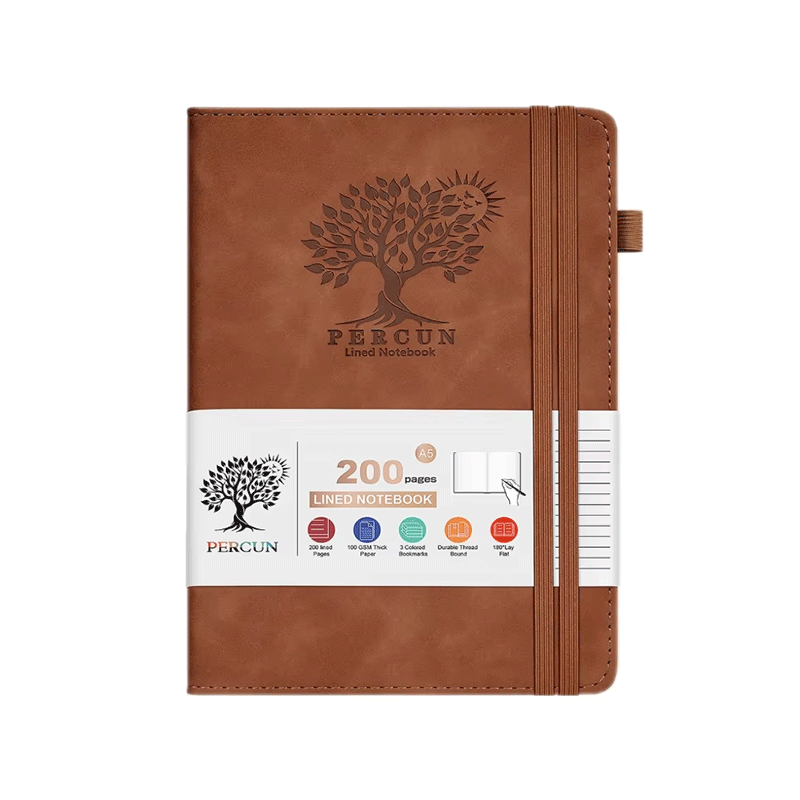
The Leather Notebook Standard: PU vs. Genuine Leather, Maintenance, and Office Use
What Are the Pros and Cons of PU Notebooks Compared to Genuine Leather?
The Difference of PU and genuine leather notebooks
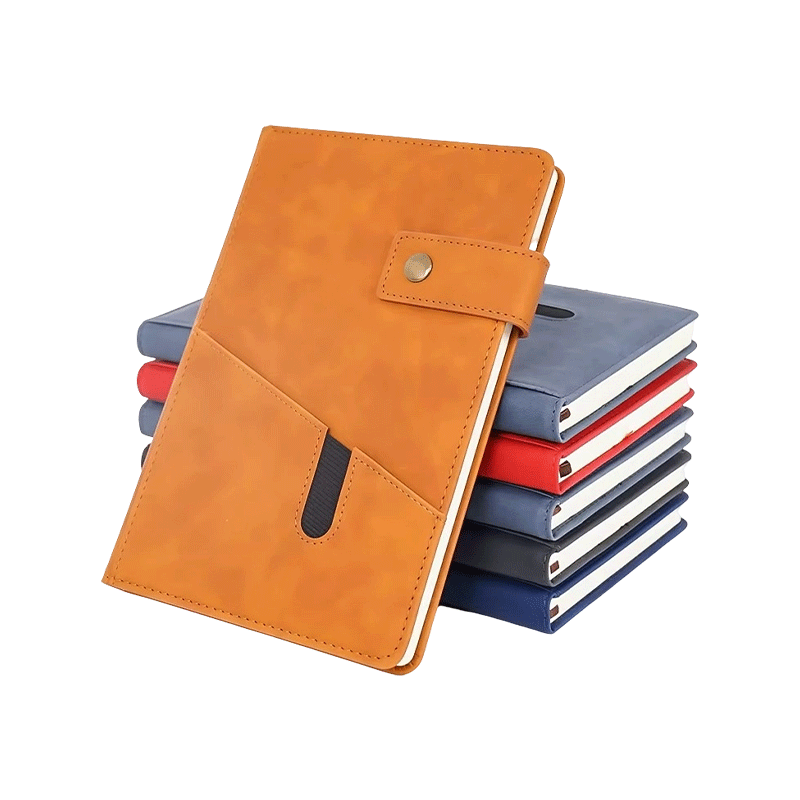
PU (polyurethane) notebooks are a synthetic alternative to genuine leather. The pros and cons of PU notebooks compared to genuine leather are determined by the material properties and the application requirements.
The advantages of PU notebooks
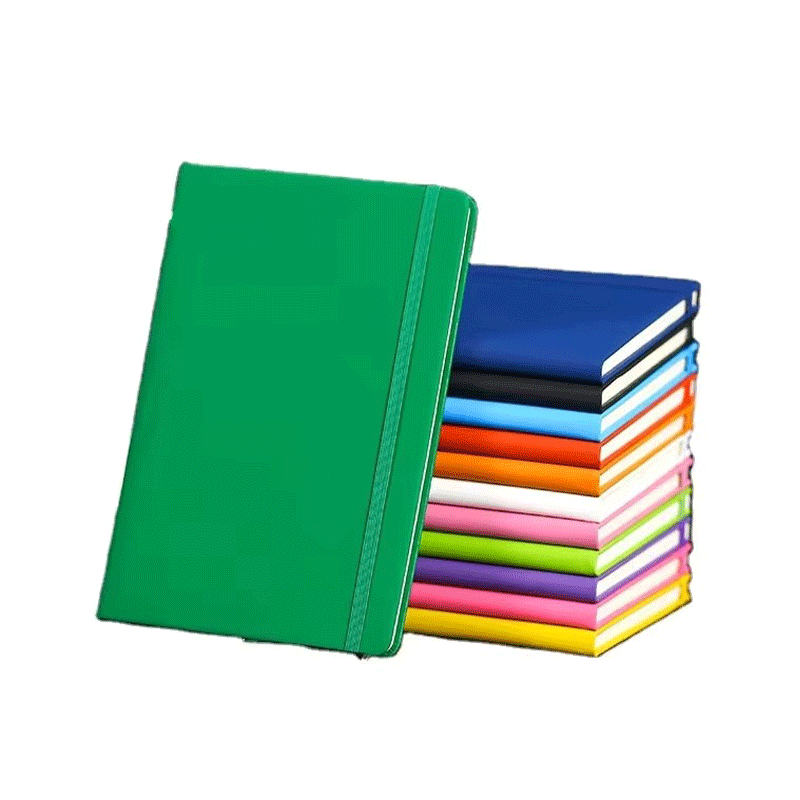
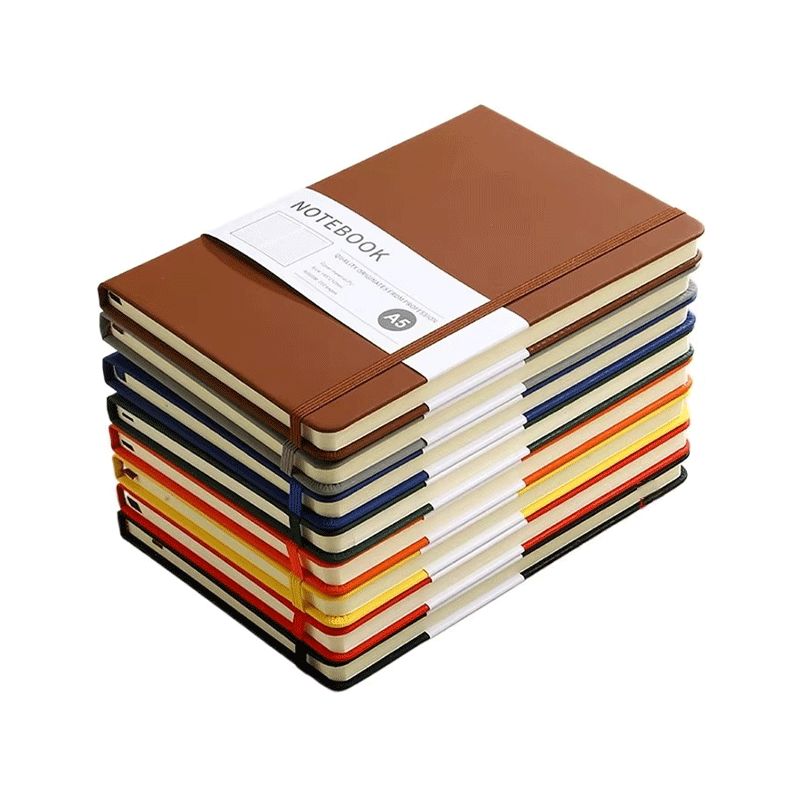
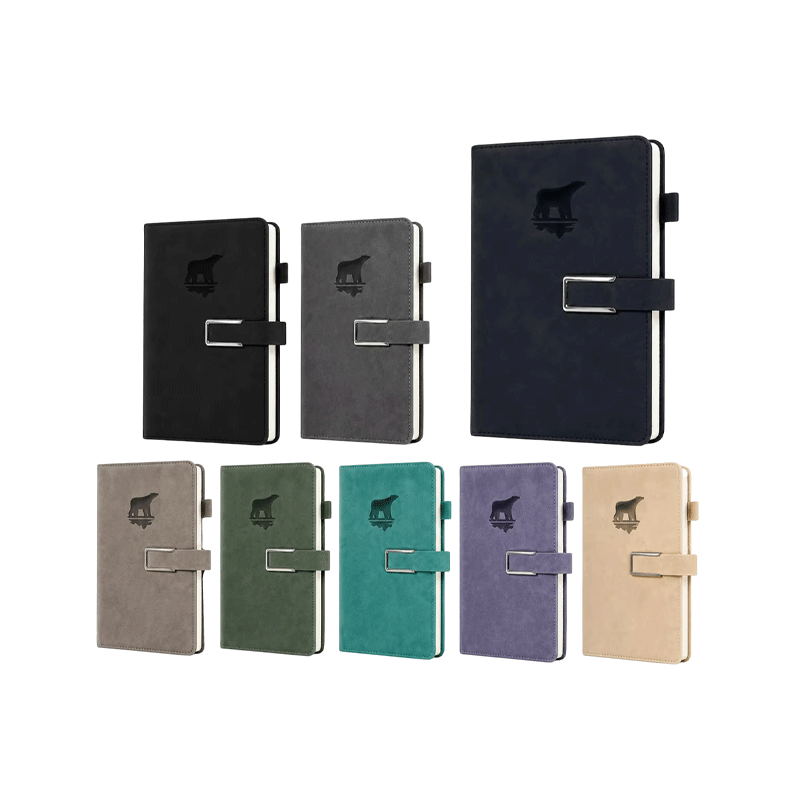
PU notebooks are significantly more affordable than genuine leather, making them a cost-effective option. They are available in a wide range of colors and finishes, from glossy to matte, and are consistent in appearance. PU is also lightweight, making it a more portable option for travel or daily carry. Additionally, PU is a cruelty-free, vegan-friendly material, appealing to ethical consumers.
The disadvantages of PU notebooks
PU is less durable than genuine leather and may show signs of wear sooner. The material can peel or crack over time, especially along the spine and corners. PU does not develop the same patina and aging characteristics as genuine leather. The material is also not breathable, which can trap moisture.
The Difference of PU and genuine leather notebooks
- PU notebooks: affordable, wide color options, consistent appearance, lightweight, vegan, less durable, peels or cracks over time
- Genuine leather notebooks: expensive, limited colors, unique appearance, develops patina, durable, breathable
The maintenance of a leather hardcover notebook
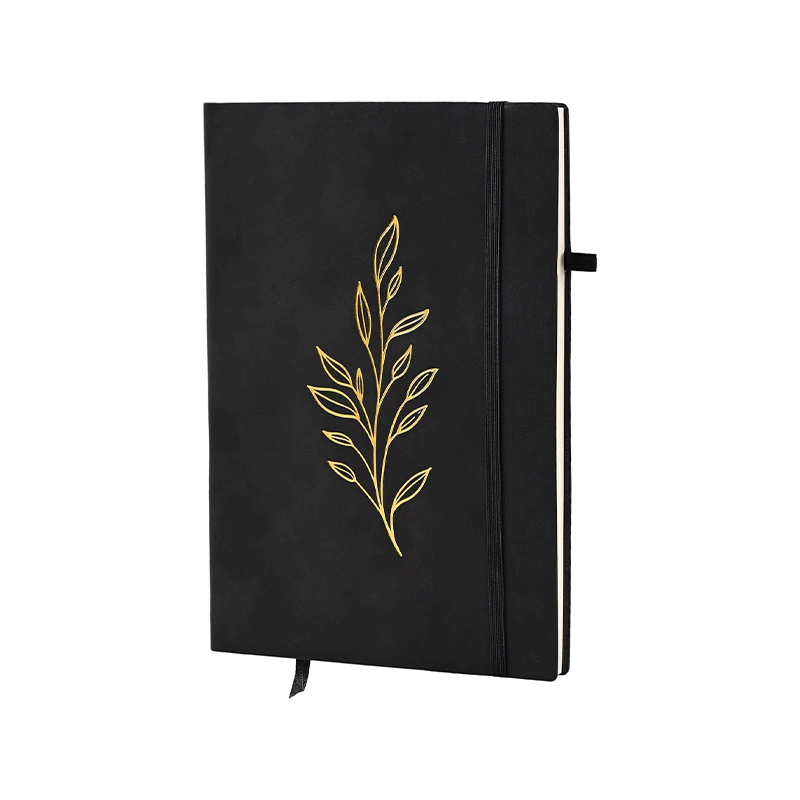
A leather hardcover notebook is an investment that requires proper care. How a leather hardcover notebook should be maintained involves cleaning, conditioning, and proper storage.
The cleaning procedure
The notebook cover should be cleaned periodically to remove dust and dirt. Use a soft, dry cloth to gently wipe the surface. For more thorough cleaning, use a leather cleaner specifically formulated for the type of leather. Avoid using water or general-purpose cleaners, which can damage the leather finish.
The conditioning procedure
The notebook cover should be conditioned periodically to prevent drying and cracking. Use a leather conditioner specifically formulated for the type of leather. Apply the conditioner sparingly and work it into the leather with a soft cloth. Wipe off any excess and allow the cover to dry.
The proper storage
The notebook should be stored in a cool, dry place out of direct sunlight. Avoid storing the notebook in damp or humid conditions. The notebook should be stored flat to prevent bending or warping.
The maintenance requirements for leather notebooks
- Cleaning: regular dusting with a soft, dry cloth; occasional deep cleaning with an appropriate leather cleaner
- Conditioning: periodic conditioning to prevent drying and cracking, using a conditioner designed for the specific leather type
- Storage: store in a cool, dry place, away from direct sunlight; store flat to prevent warping
The advantages of a hardcover lined notebook
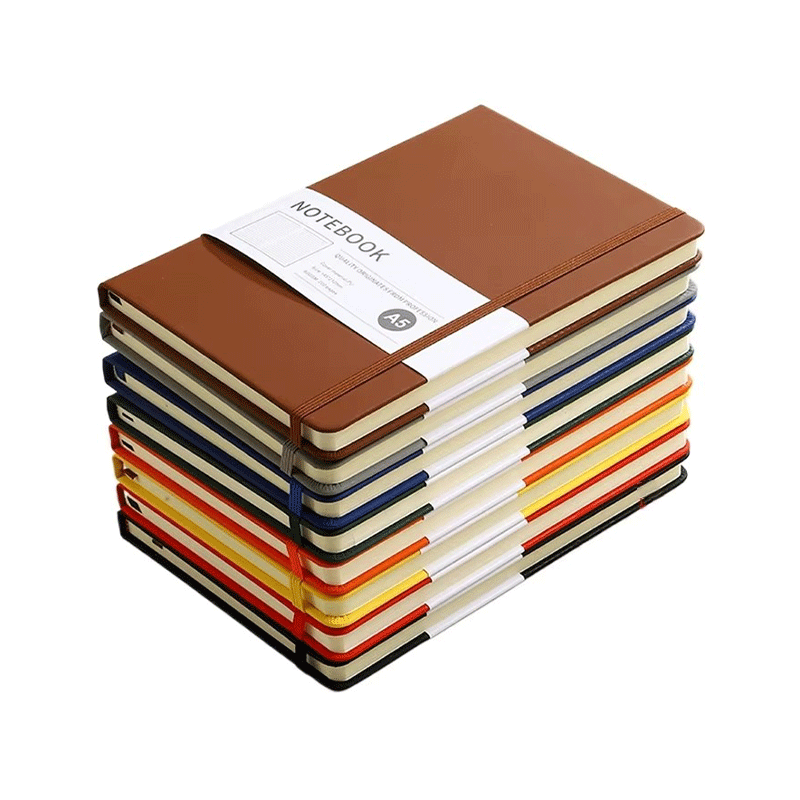
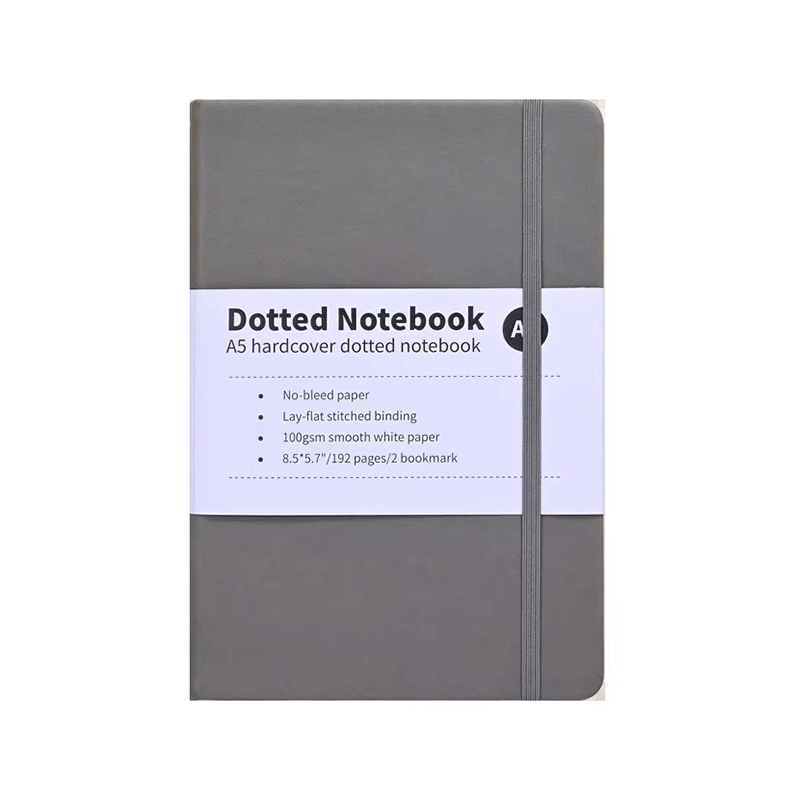
A hardcover lined notebook is a versatile and durable choice for a wide range of uses. The advantages of a hardcover lined notebook are determined by the hardcover construction and the lined pages.
The advantages of hardcover lined notebooks
|
Feature
|
Advantage
|
Why It Matters
|
|
Hardcover construction
|
Durable, protects pages, provides a stable writing surface
|
Suitable for travel, daily use, and storage
|
|
Lined pages
|
Provides guidance for writing, ensures neat handwriting
|
Improves readability and organization
|
|
Elastic closure
|
Keeps the notebook securely closed
|
Protects pages and prevents opening during transport
|
|
Ribbon bookmark
|
Marks the current page
|
Provides quick access to the current page
|
|
Expandable pocket
|
Provides storage for loose papers, business cards
|
Keeps related materials together
|
|
Acid-free paper
|
Resists yellowing and degradation
|
Ensures long-term readability and preservation
|
|
Lay-flat binding
|
Allows the notebook to open flat
|
Makes it easier to write on the entire page
|
What Is the Difference Between a PU Leather Cover Journal and a Genuine Leather Cover Journal?
The difference between PU and genuine leather journals
PU leather and genuine leather journals have distinct differences in material composition, durability, and appearance. The difference between a PU leather cover journal and a genuine leather cover journal is determined by the material used.
The material composition
PU leather is a synthetic material made from polyurethane, applied to a fabric or paper backing. Genuine leather is made from animal hide, typically cowhide, and is a natural material. The hide is tanned to preserve it and may be finished or left in its natural state.
The durability and aging
Genuine leather is significantly more durable than PU and will last for years with proper care. The material develops a unique patina over time, adding character. PU is less durable and may show signs of wear sooner, including peeling or cracking along the spine.
The appearance and feel
Genuine leather has a unique, natural grain and texture. PU leather has a uniform, consistent appearance and is available in a wider range of colors. The feel of genuine leather is also more natural and warm than PU.
The Difference of PU and genuine leather journals
- PU leather journal: synthetic, less durable, uniform appearance, wide color range, more affordable, vegan
- Genuine leather journal: natural, more durable, develops patina, unique grain, more expensive, requires maintenance
The advantages of a hardcover lined journal in an office setting
A hardcover lined journal offers several advantages for office use. The advantages of using a hardcover lined journal for office in an office setting include organization, professionalism, and durability.
The organization and structure
A hardcover lined journal provides a structured format for note-taking. The lined pages guide handwriting, improving readability and organization. The journal can be used for meeting notes, project planning, daily task lists, and brainstorming. The pages are bound in a single volume, keeping notes together and preventing loss. The journal provides a permanent record of notes.
The professional appearance
A hardcover lined journal presents a professional appearance. The hardcover provides a quality feel, and the lined pages create neat, organized notes. The journal is suitable for meeting notes, presentations, and client interactions, projecting a professional image.
The durability and portability
The hardcover provides durability and protects the pages from damage. The journal can be carried in a bag or briefcase without the pages becoming creased or torn. The journal provides a stable writing surface, even when not placed on a table.
The Difference of hardcover lined journals and other note-taking methods in the office
- Hardcover lined journal: structured, professional, durable, portable, permanent record, suitable for meeting notes and planning
- Loose-leaf binder: flexible, customizable, less professional, less portable, suitable for organizing
- Digital notes: searchable, organized, requires a device, less immediate, suitable for digital workflows
FAQ
Q1: What is the difference between PU leather and genuine leather?
PU leather is a synthetic material made from polyurethane. Genuine leather is a natural material made from animal hide. Genuine leather is more durable and develops a patina over time, while PU leather is more affordable and available in a wider range of colors.
Q2: How should I clean a leather notebook cover?
Use a soft, dry cloth to gently wipe the surface. For more thorough cleaning, use a leather cleaner specifically formulated for the type of leather. Avoid using water or general-purpose cleaners.
Q3: Why should I use a hardcover lined notebook in the office?
A hardcover lined notebook provides a structured, professional, and durable note-taking solution. The lined pages guide handwriting, and the hardcover protects the pages. The journal is portable and provides a permanent record of notes.
Q4: How do I maintain a leather notebook?
Clean the notebook cover with a soft, dry cloth or leather cleaner. Condition the cover periodically with a leather conditioner. Store the notebook in a cool, dry place, away from direct sunlight.
Q5: Can a hardcover lined notebook be used for project planning?
Yes, a hardcover lined notebook is suitable for project planning. The lined pages provide a structured format for brainstorming, outlining, and task lists. The notebook can be divided into sections for different phases of the project.

 English
 Español
 Português